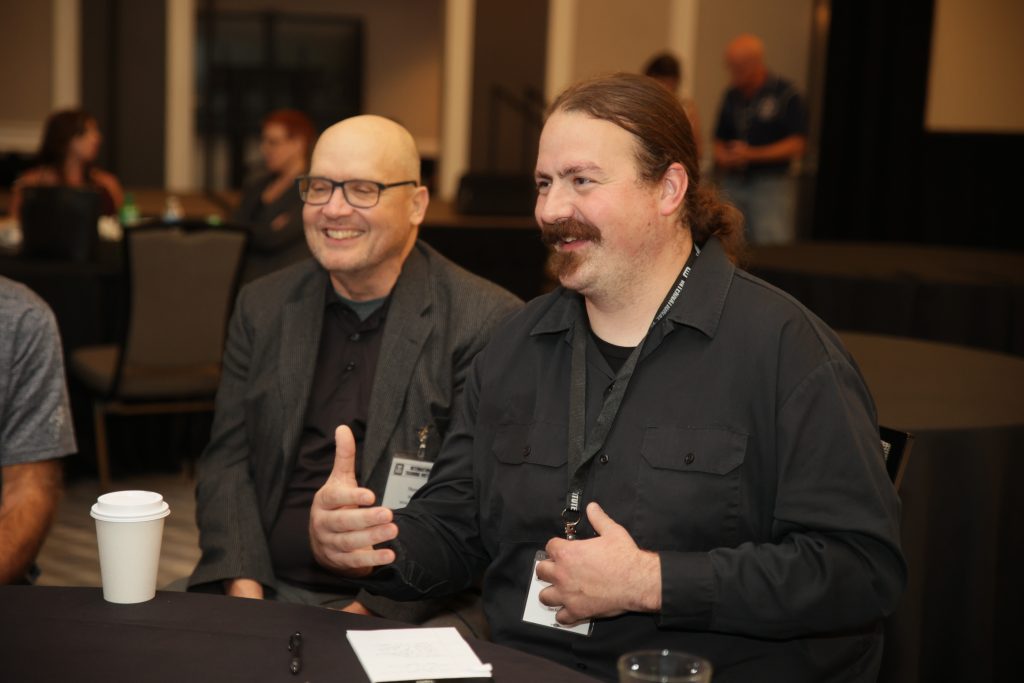
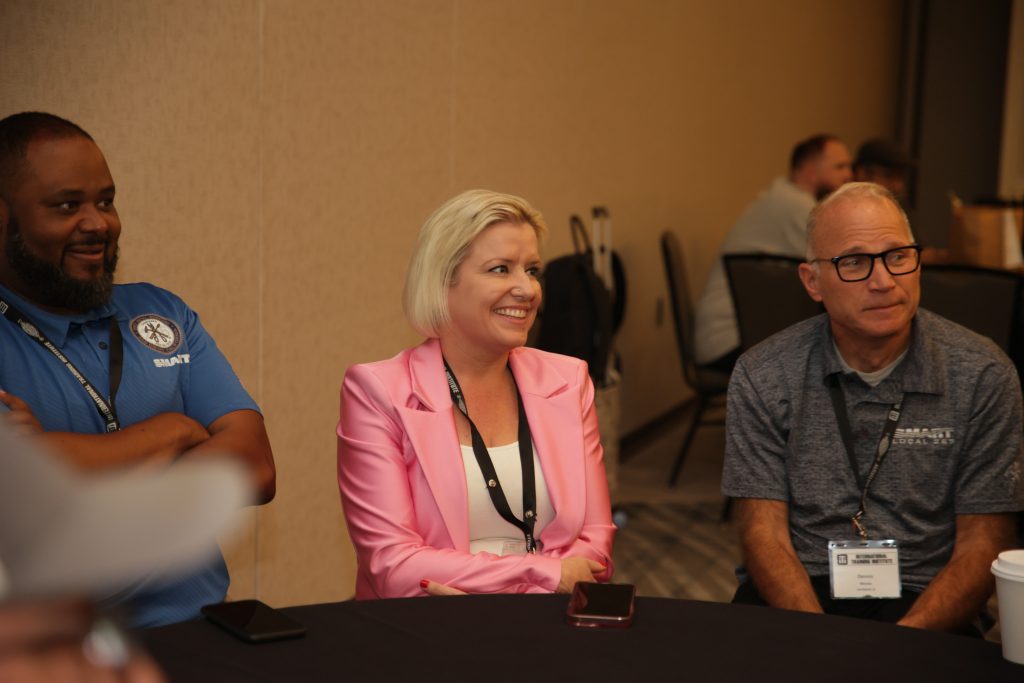
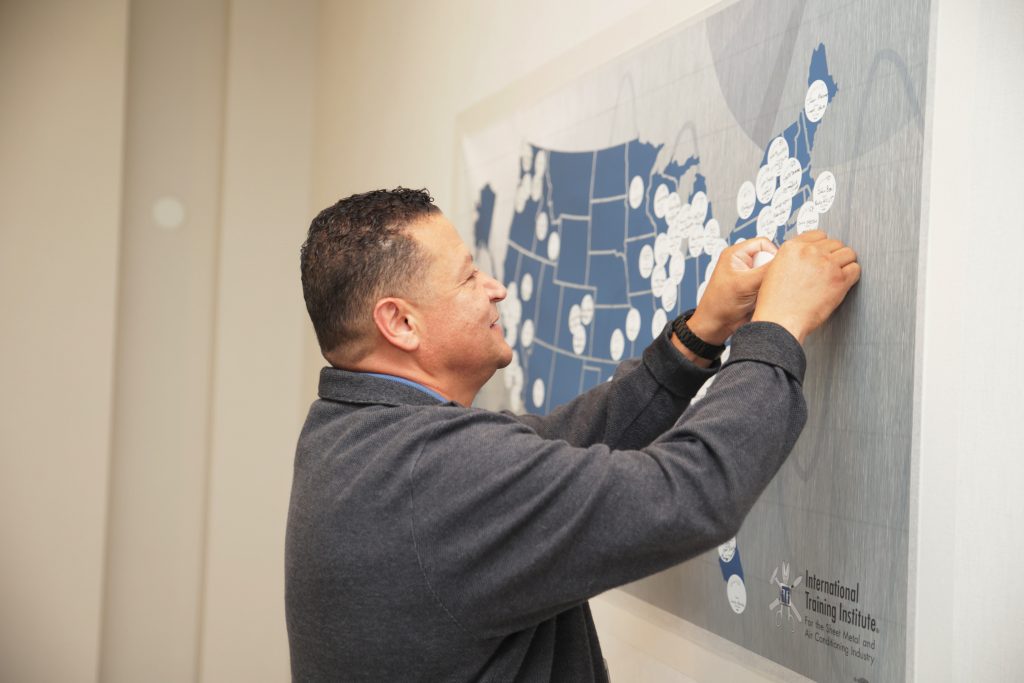
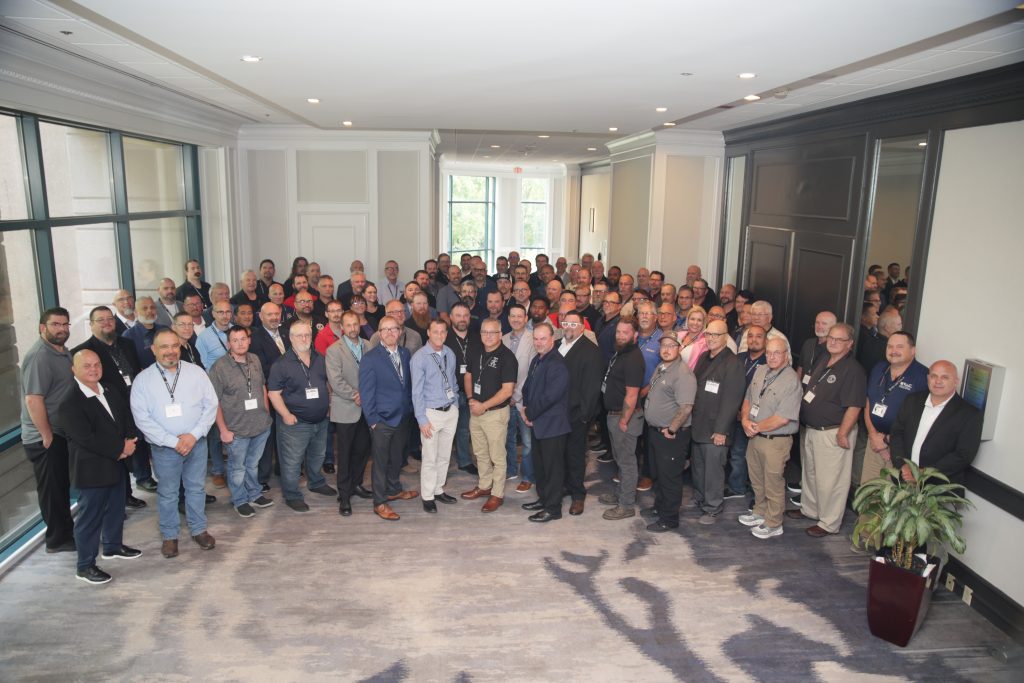
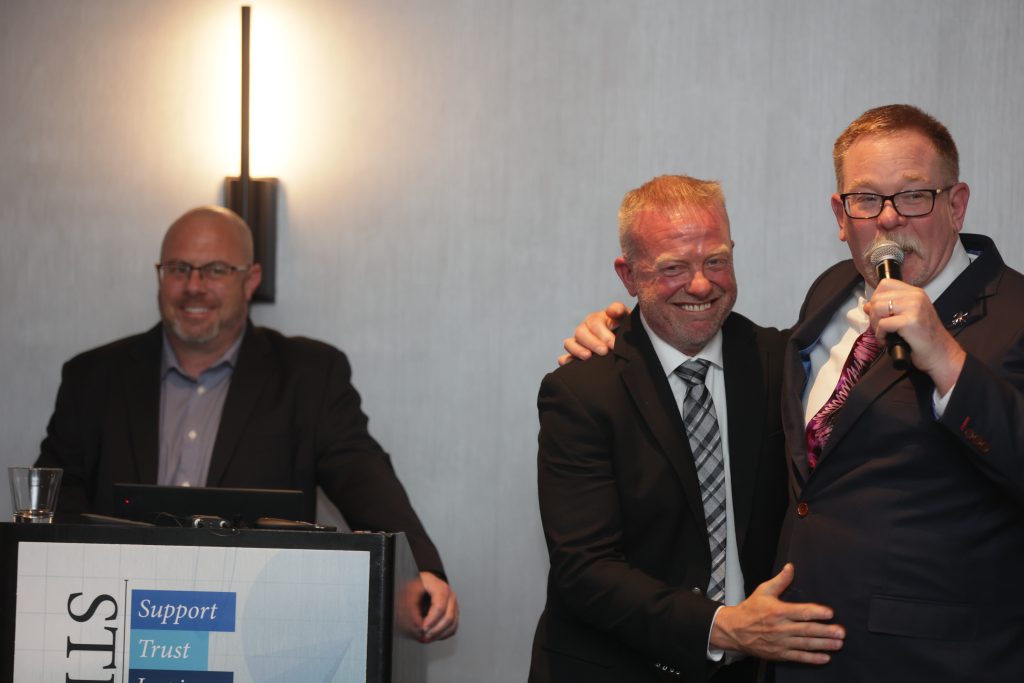
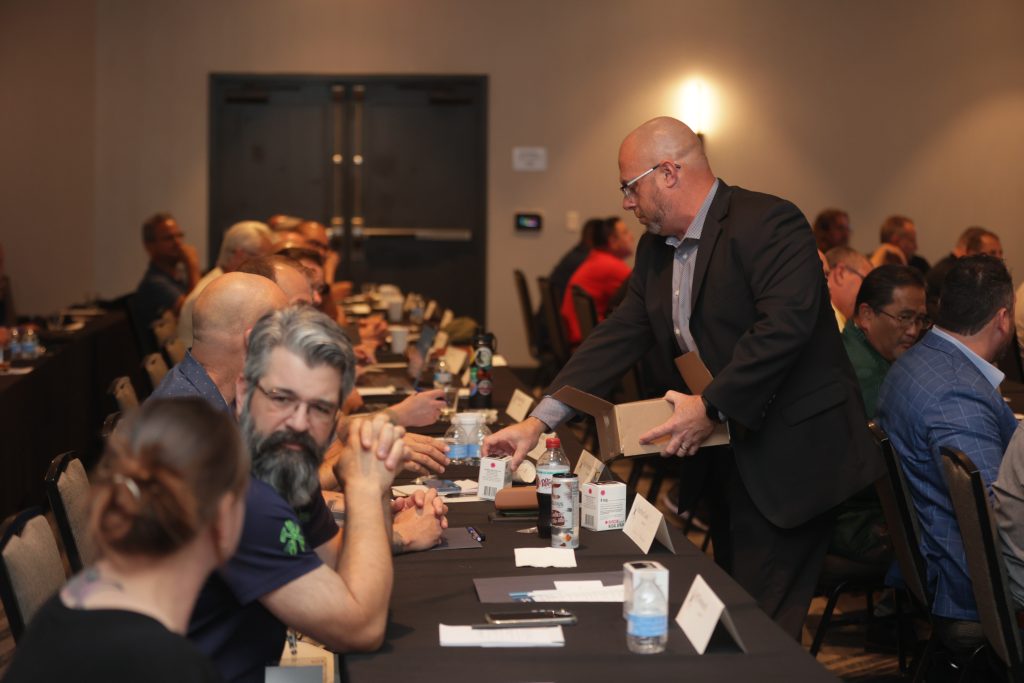
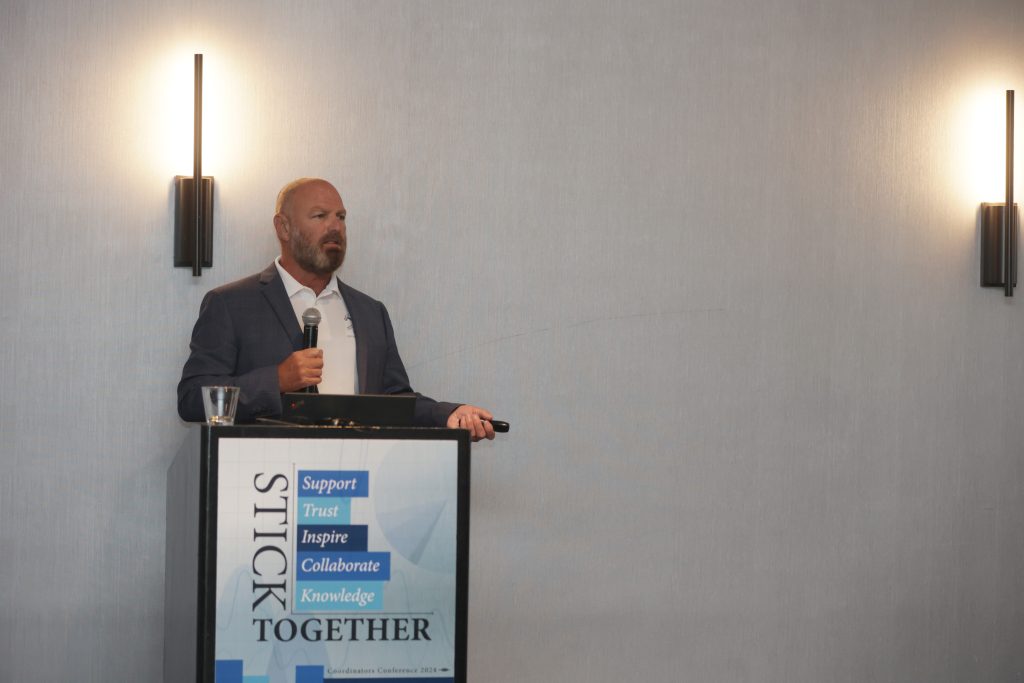
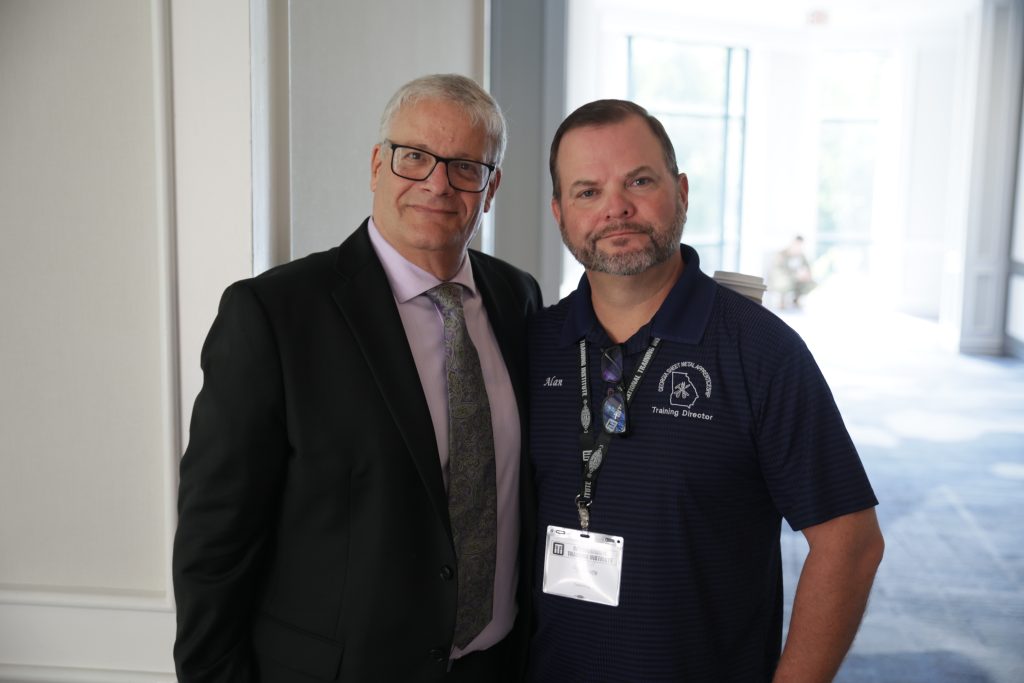
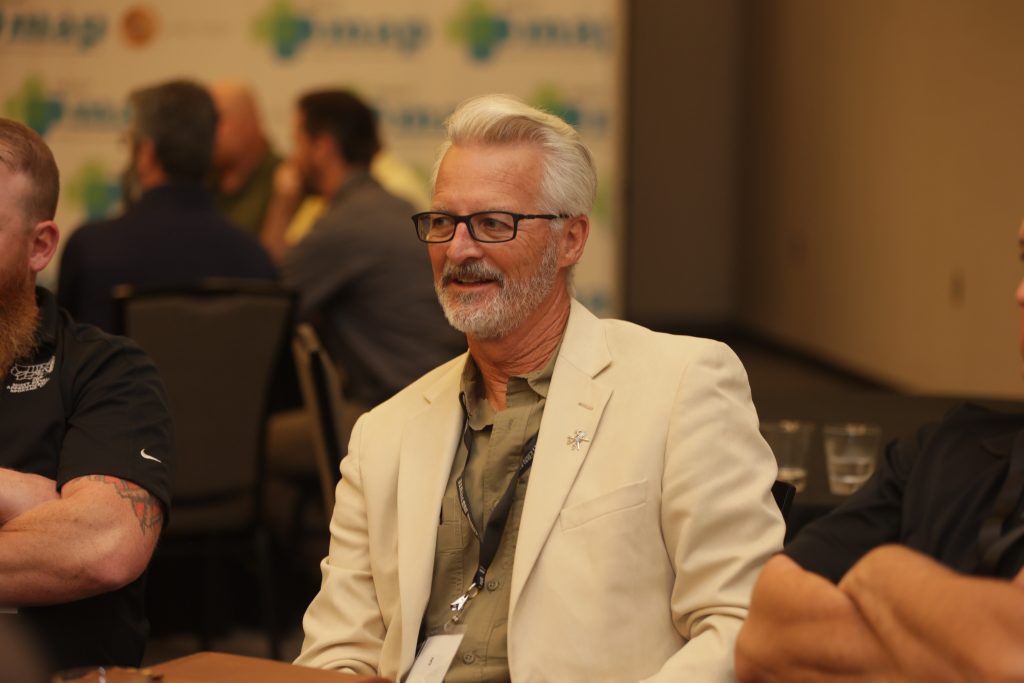
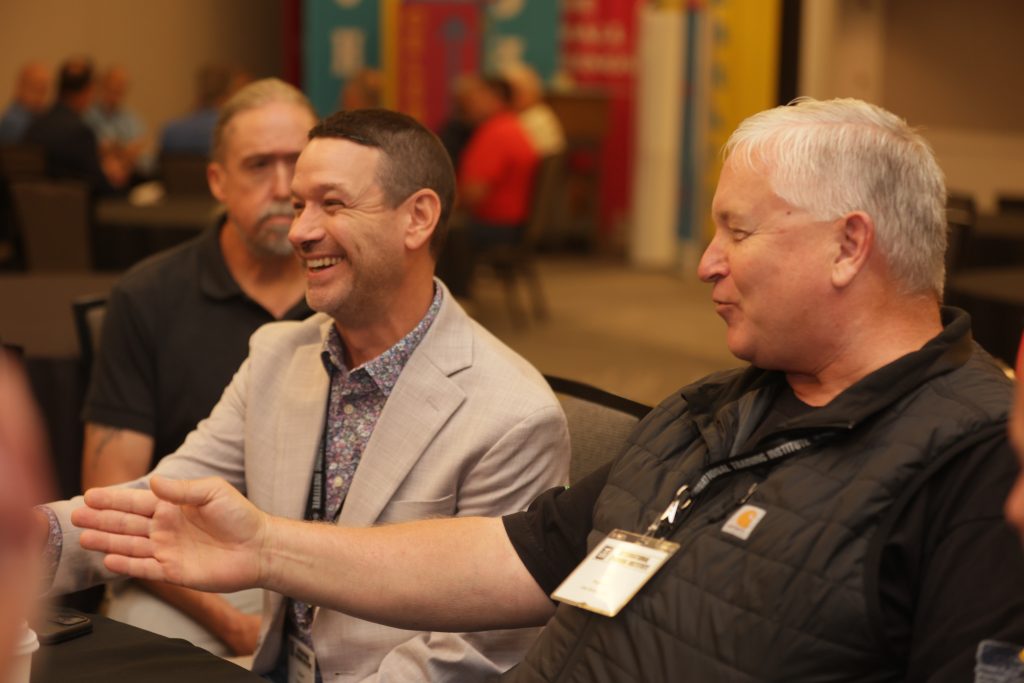
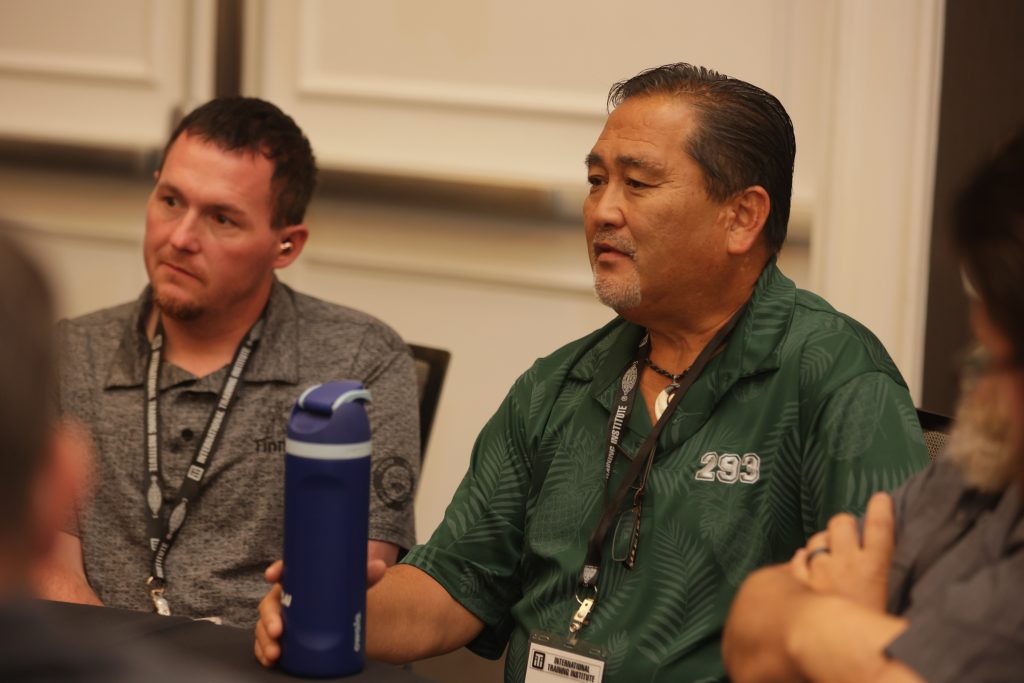
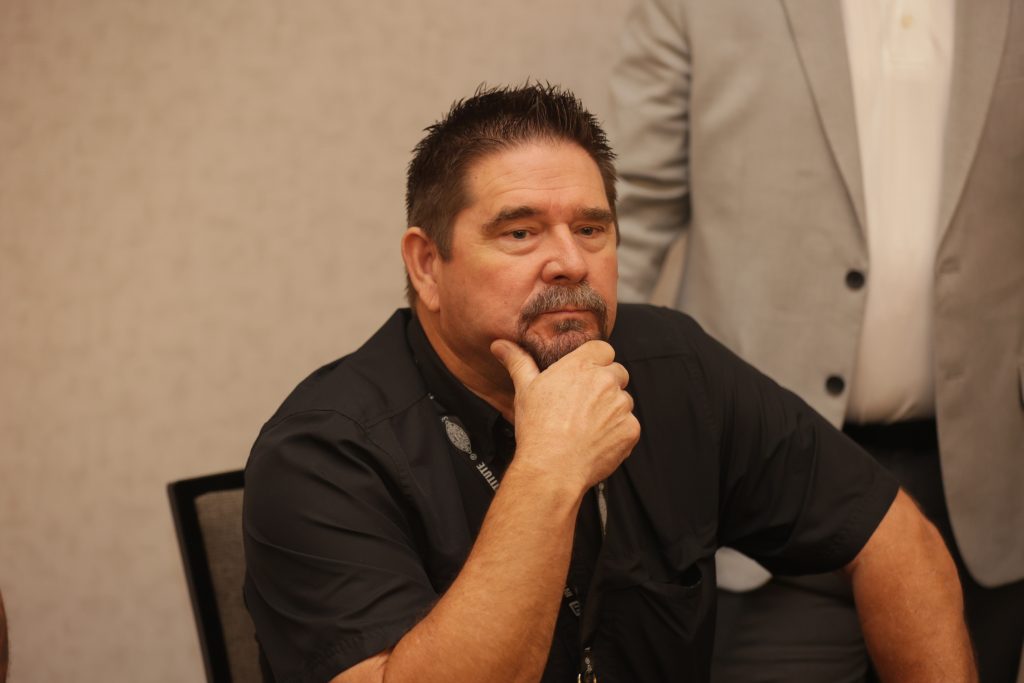
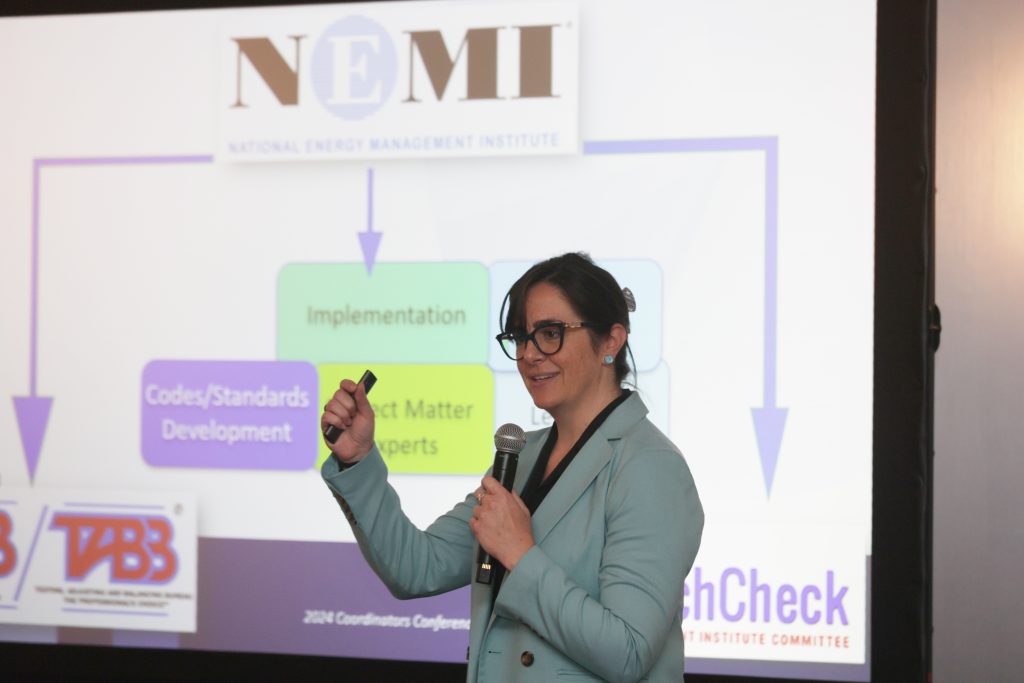
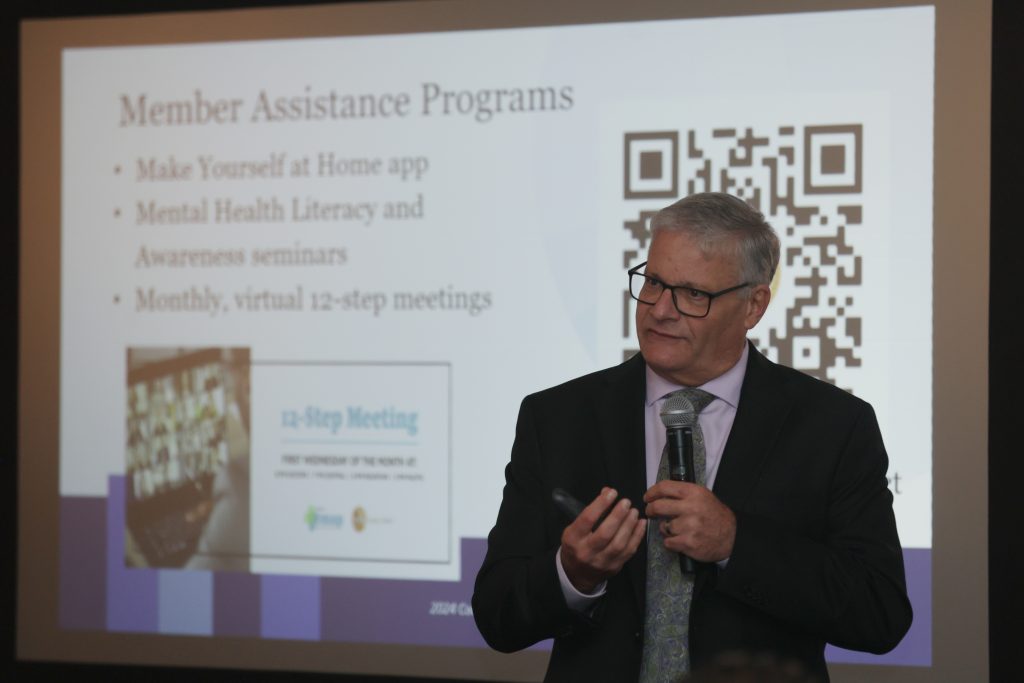
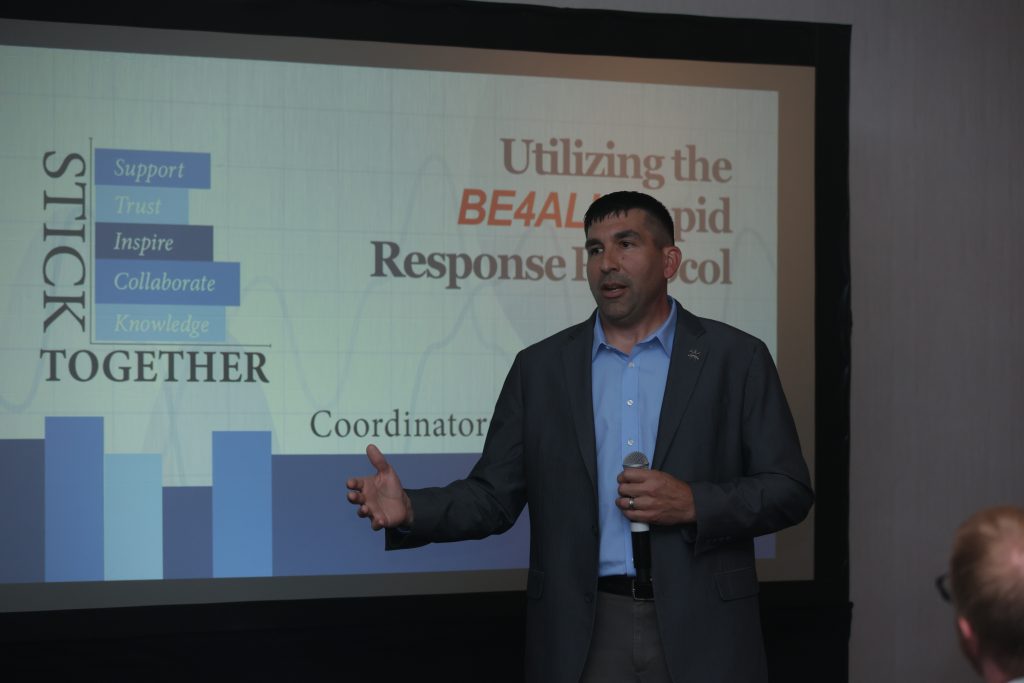
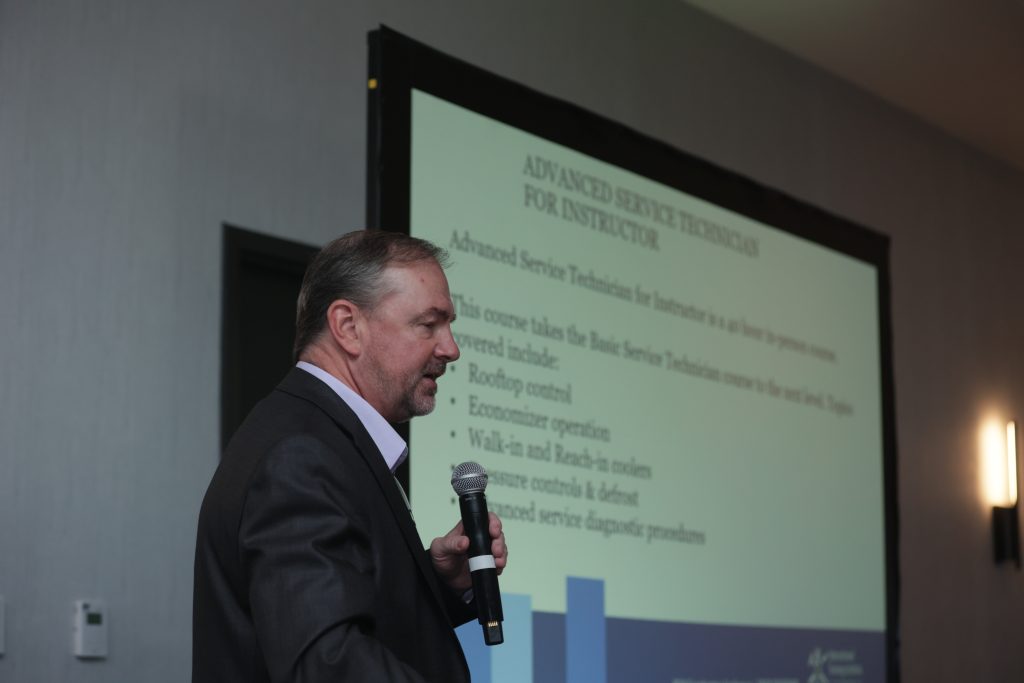
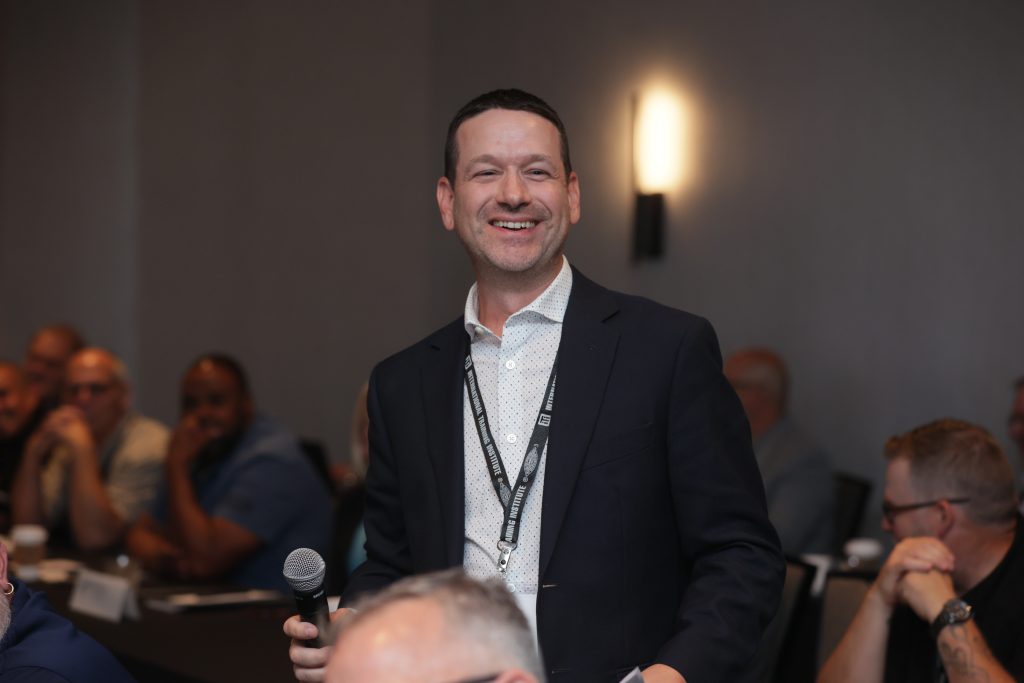
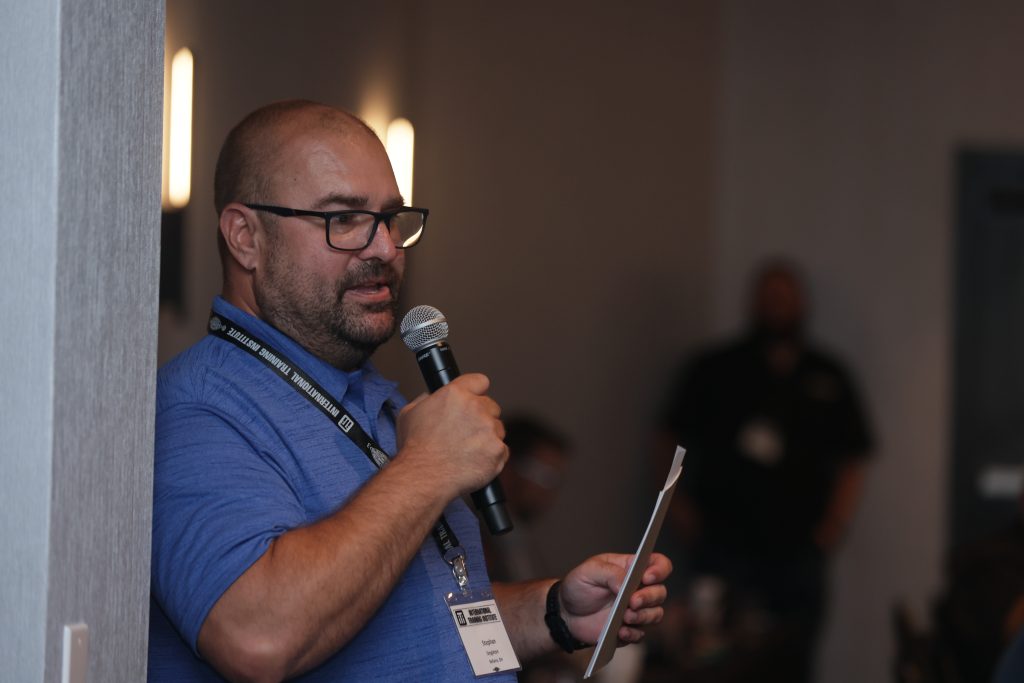
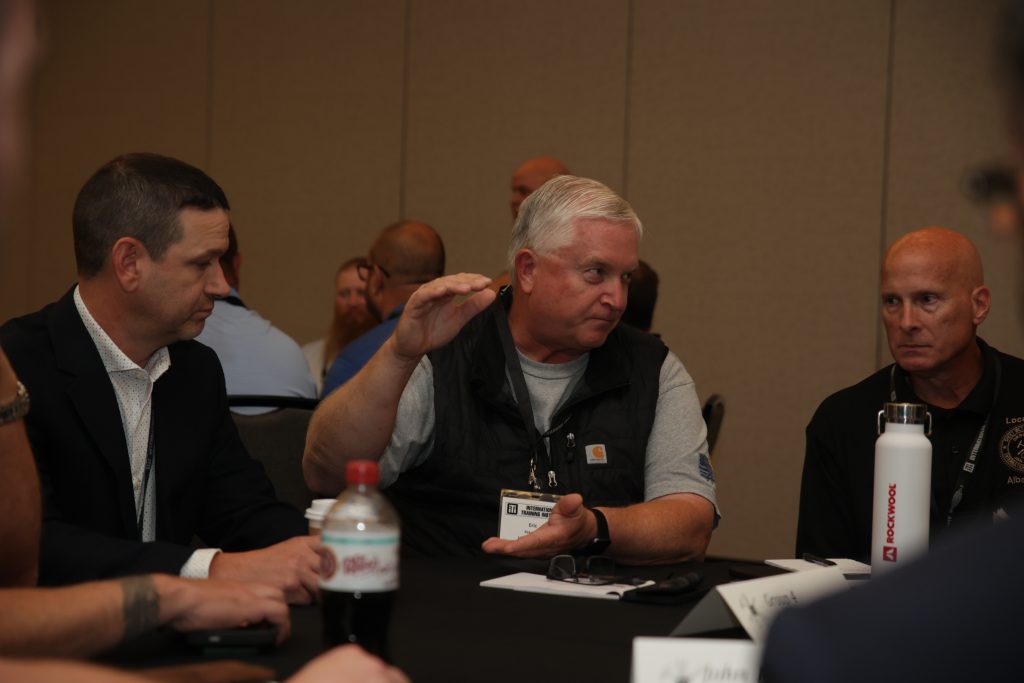
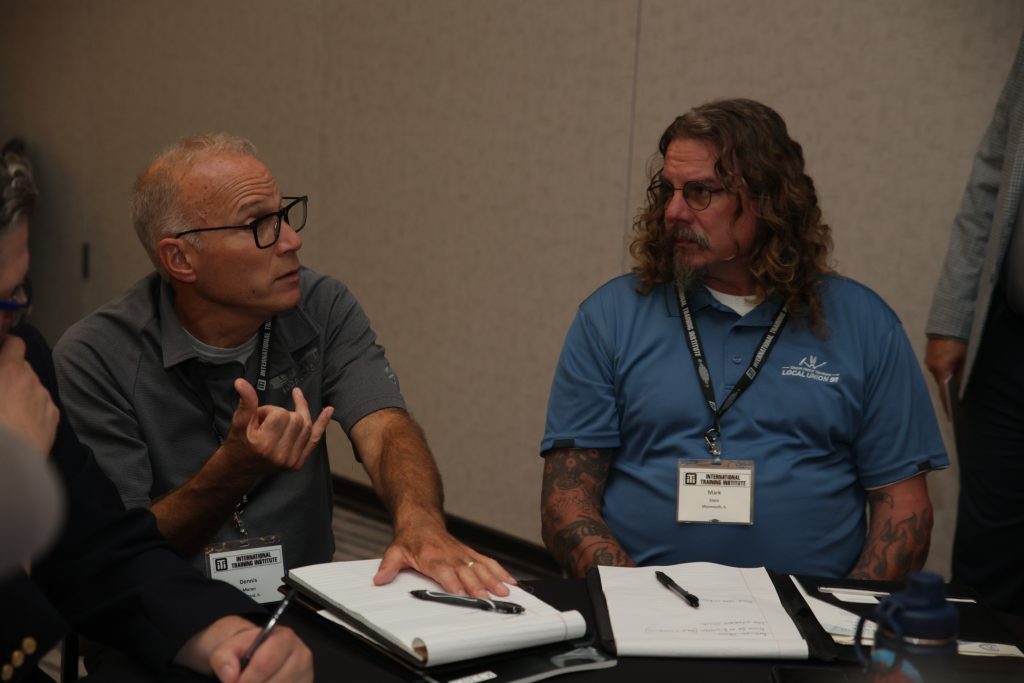
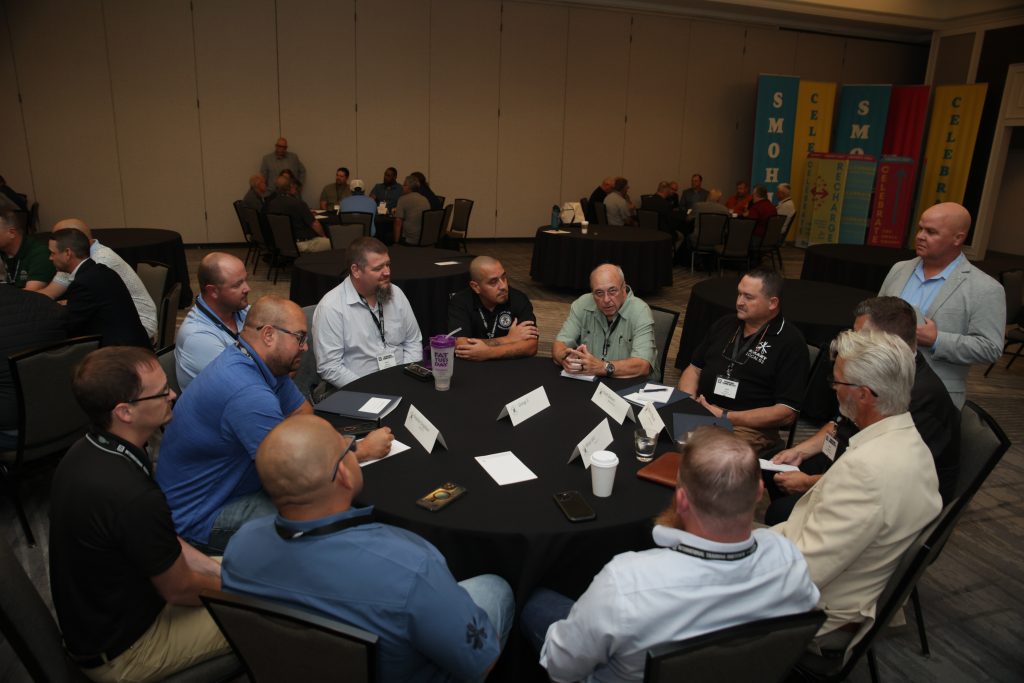
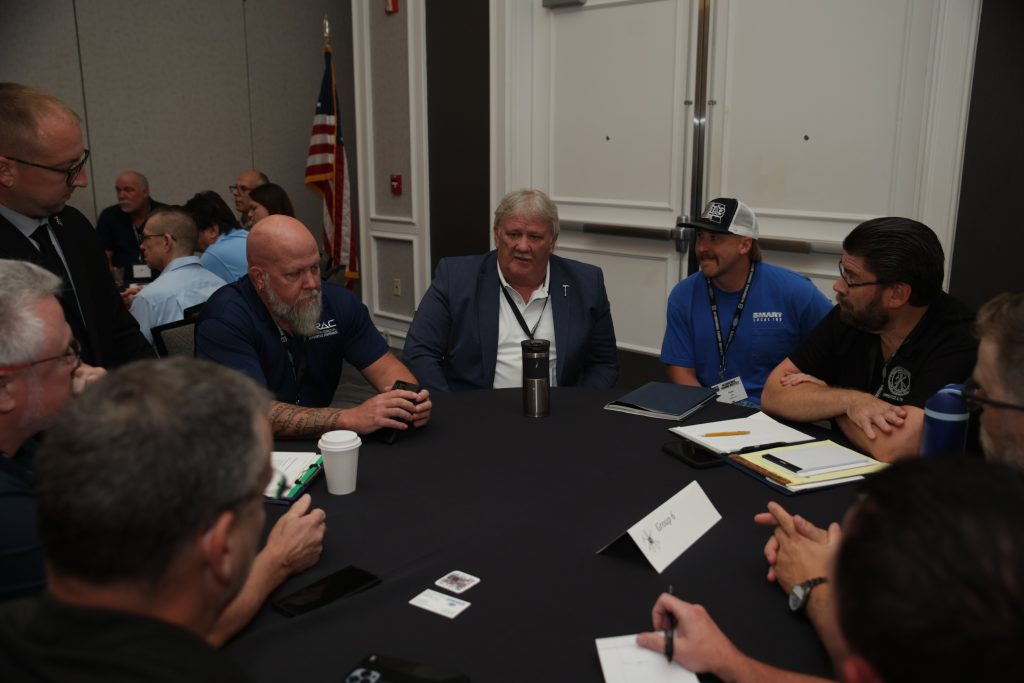
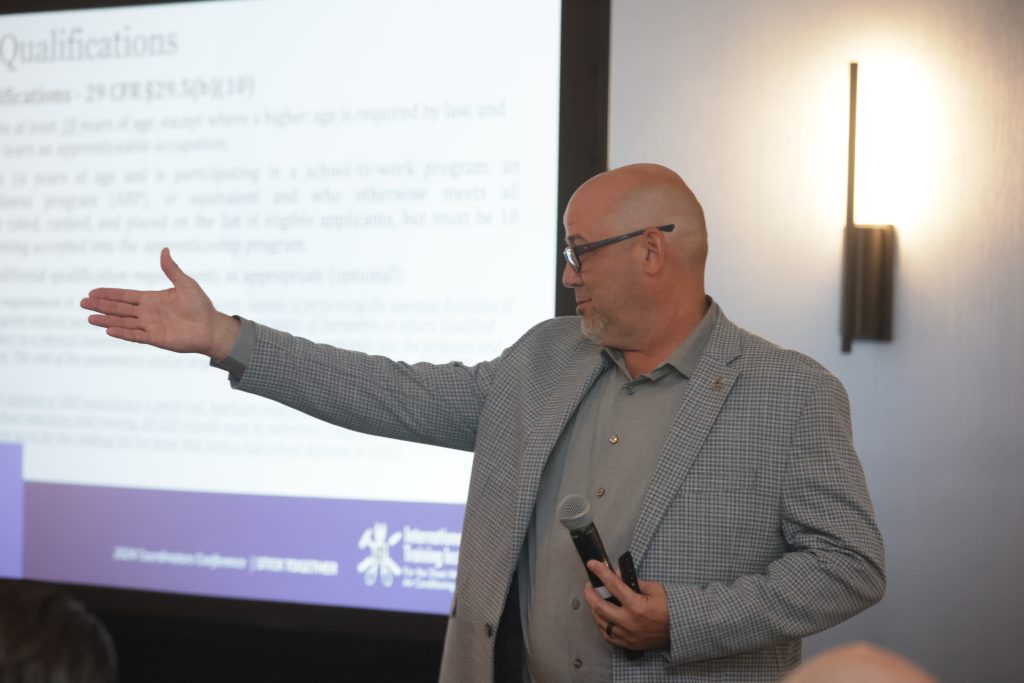
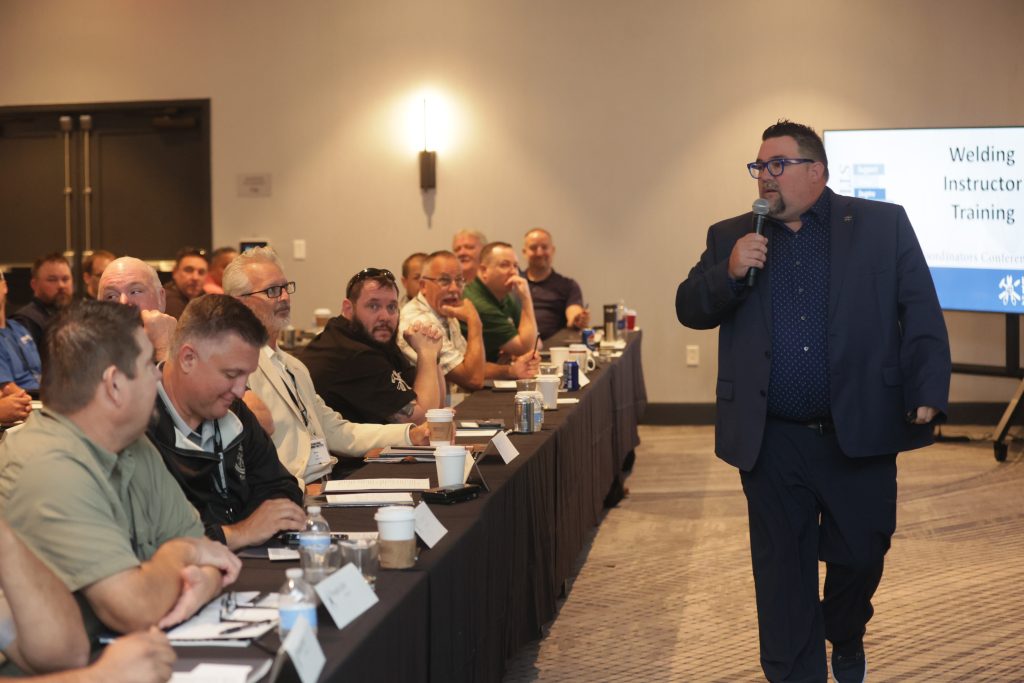
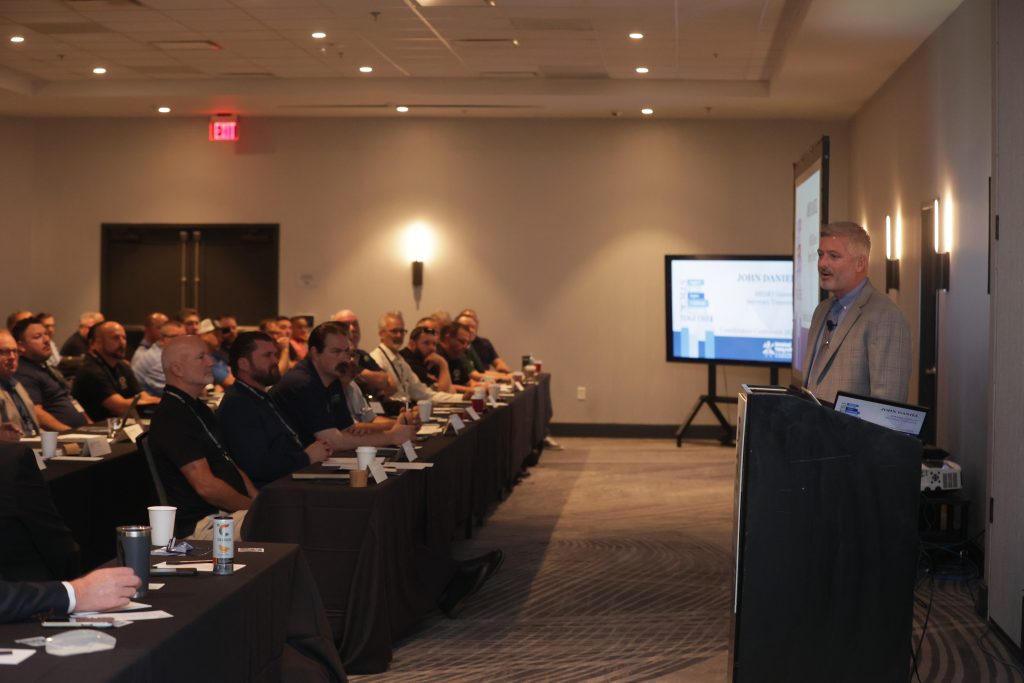
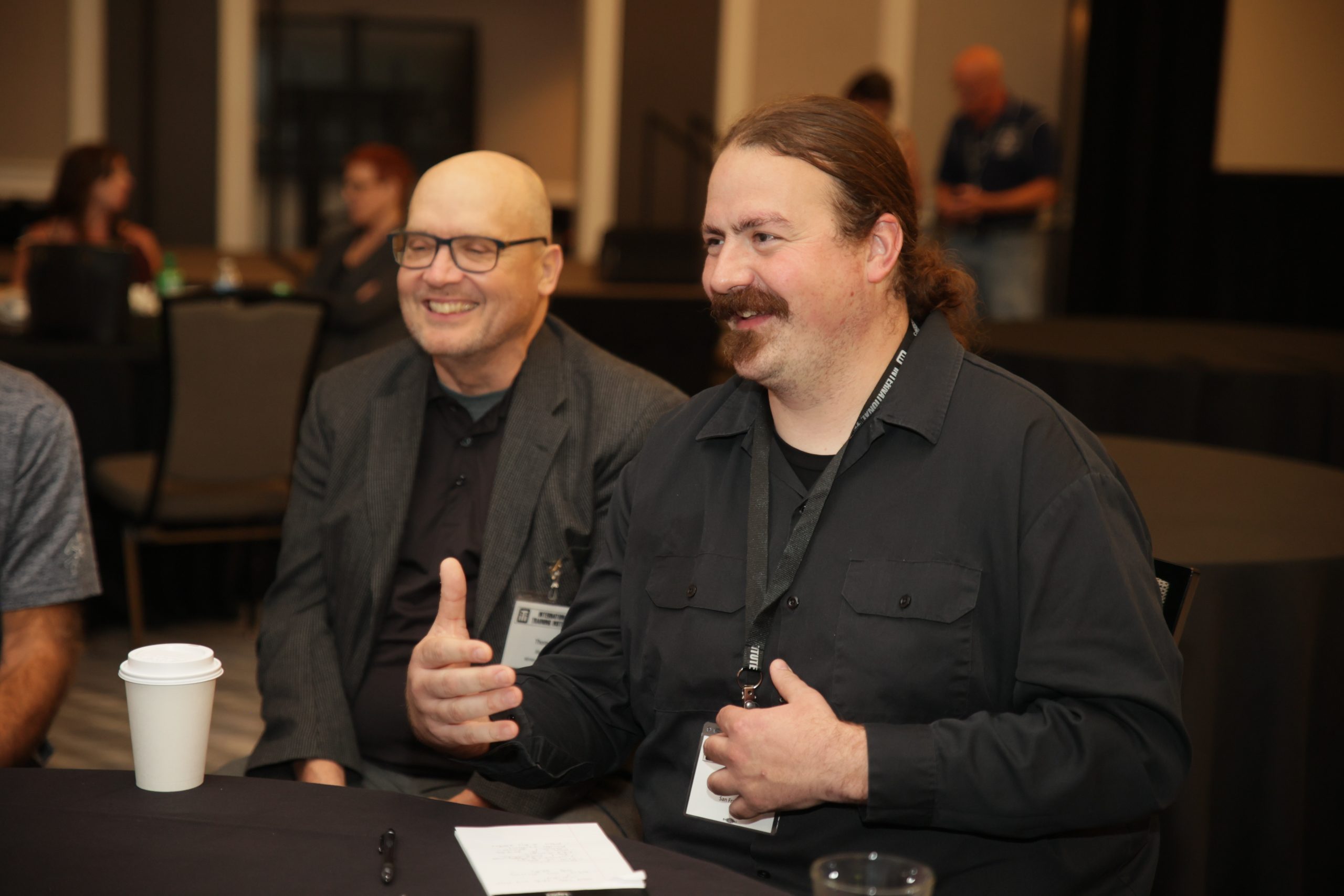
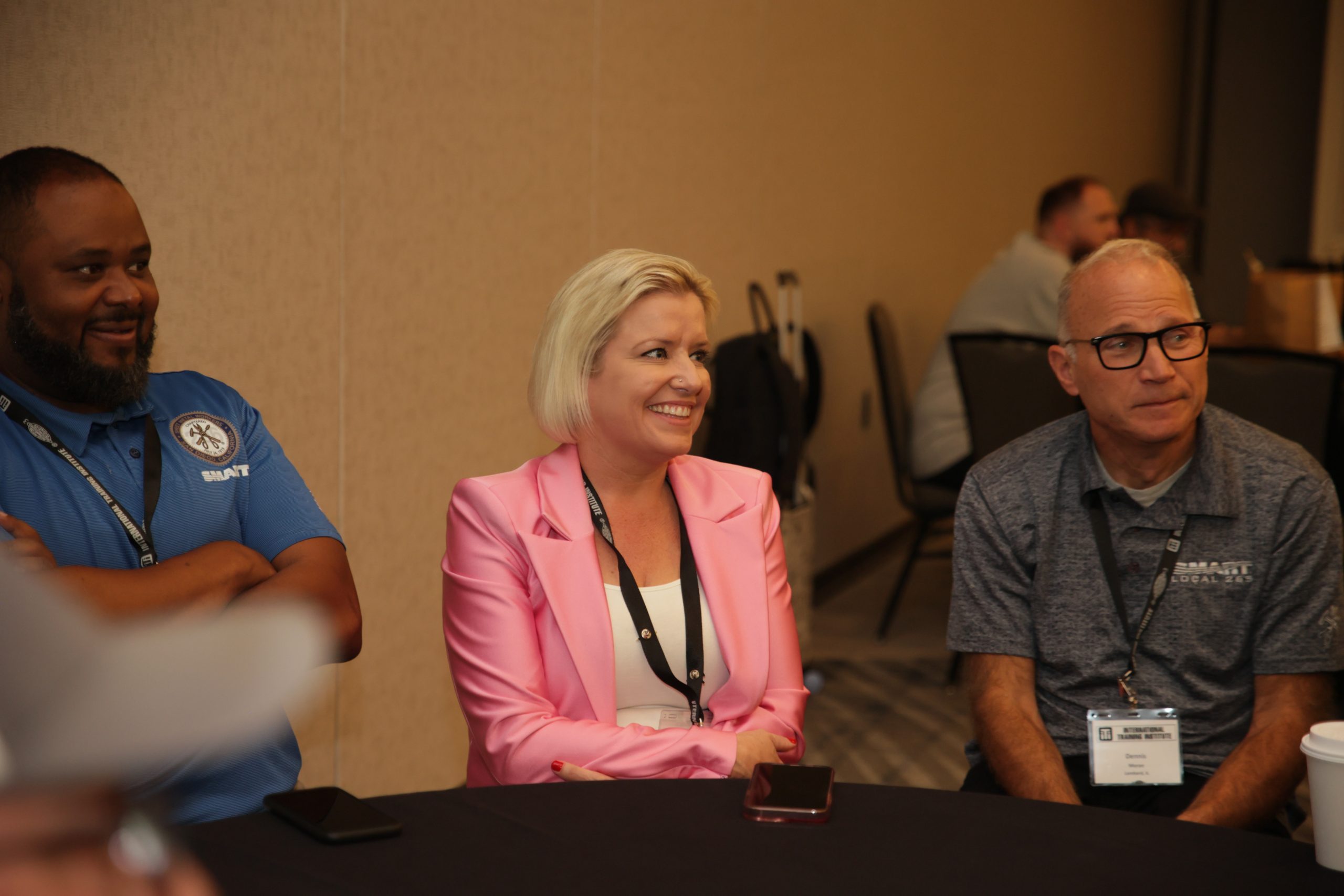
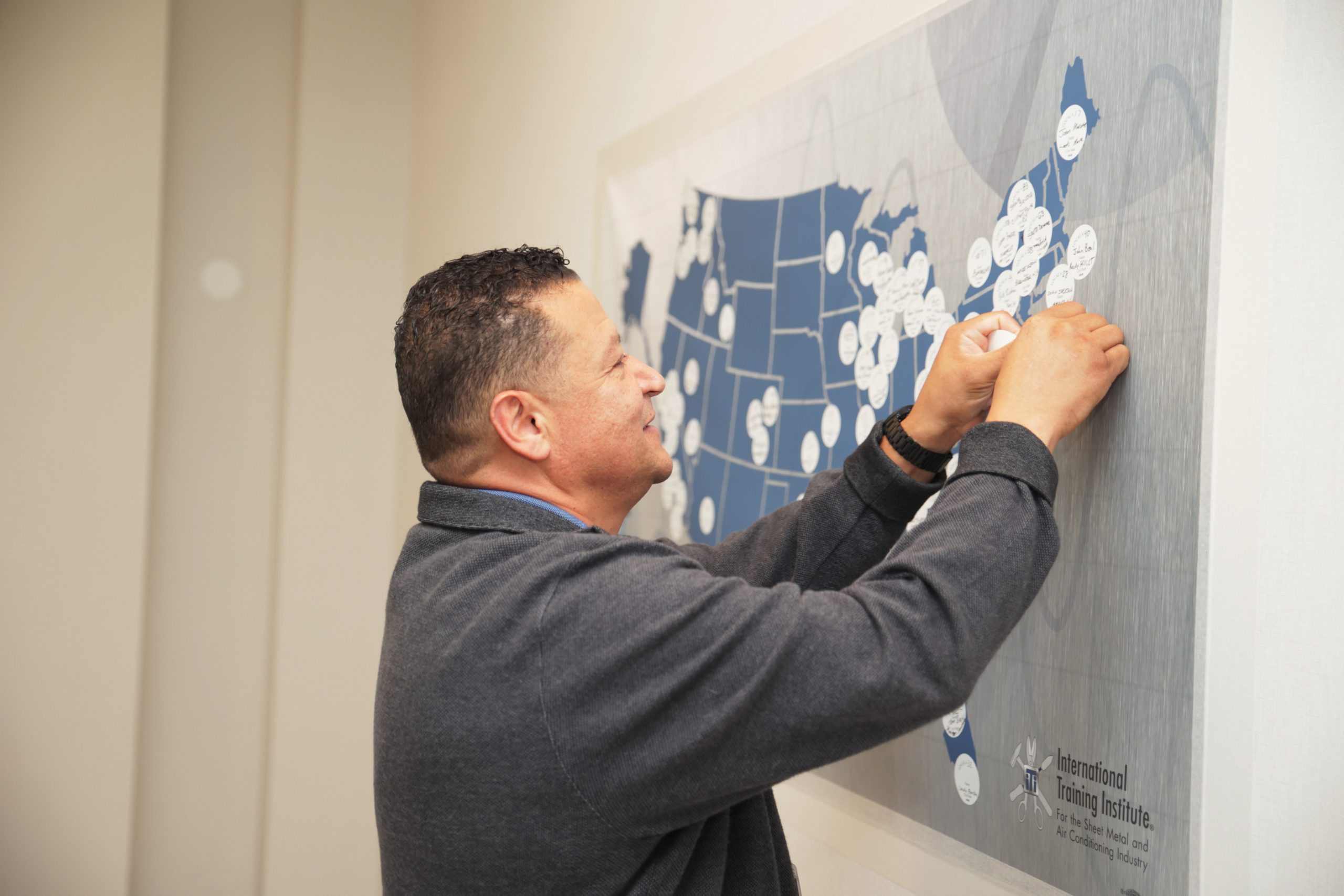
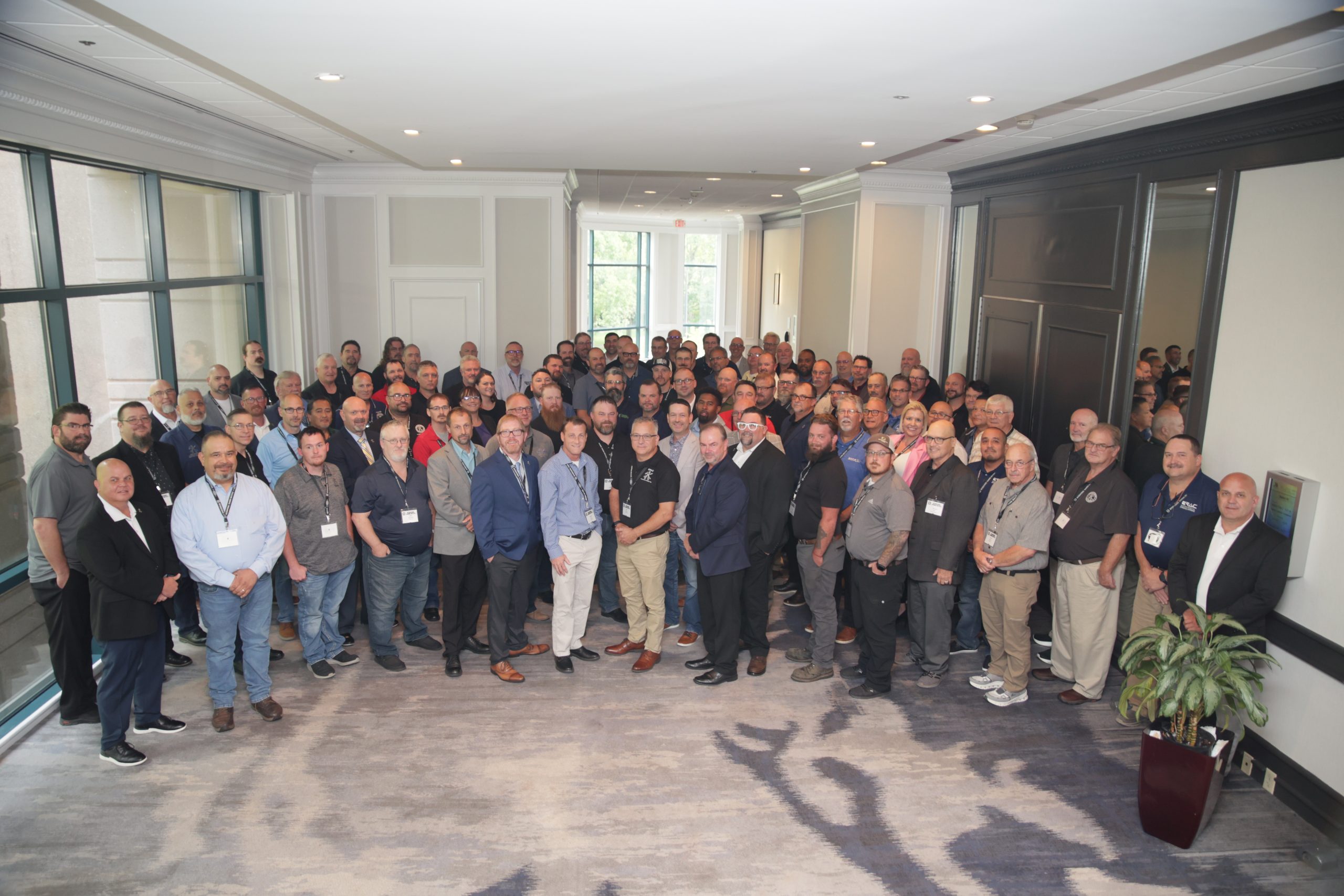
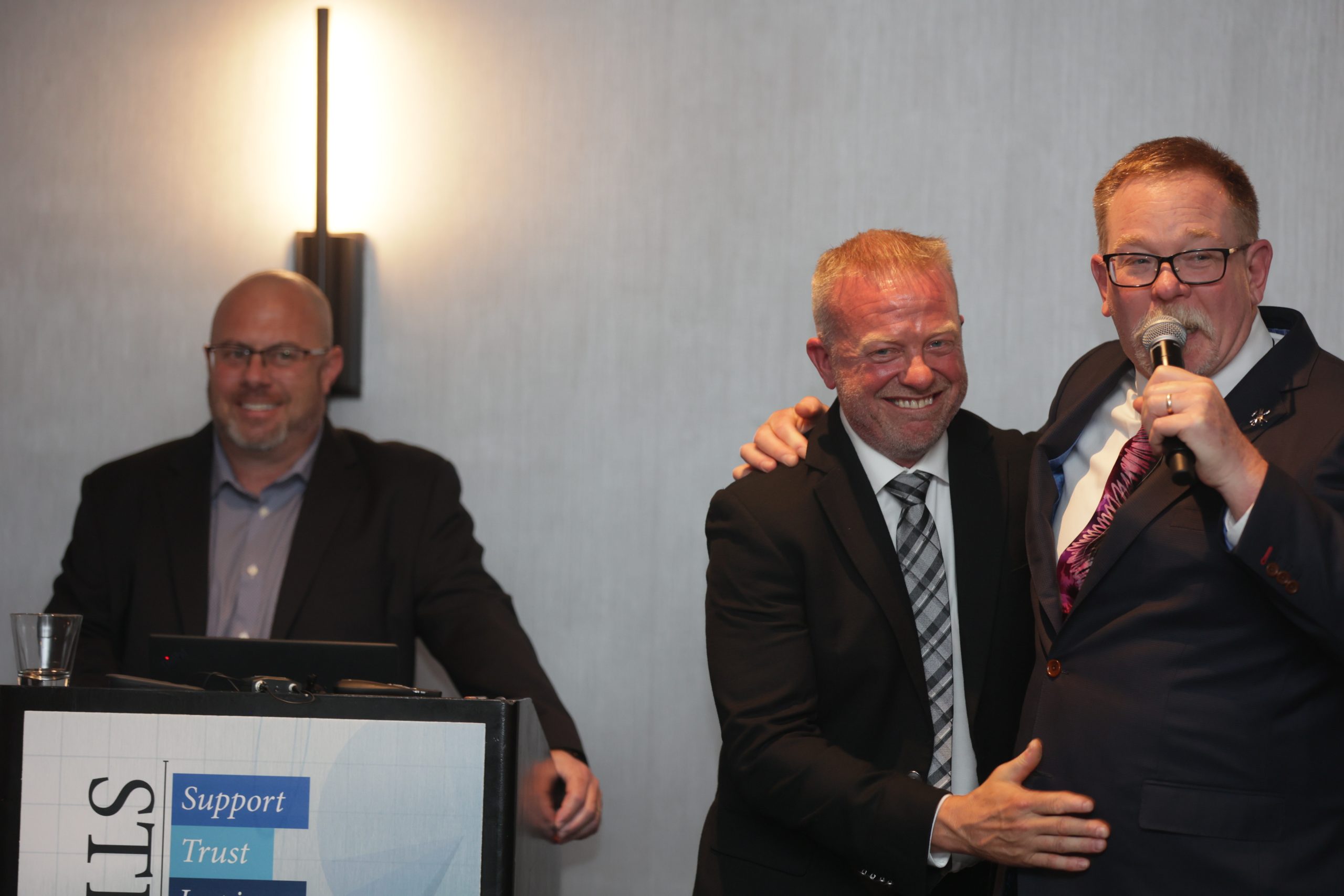
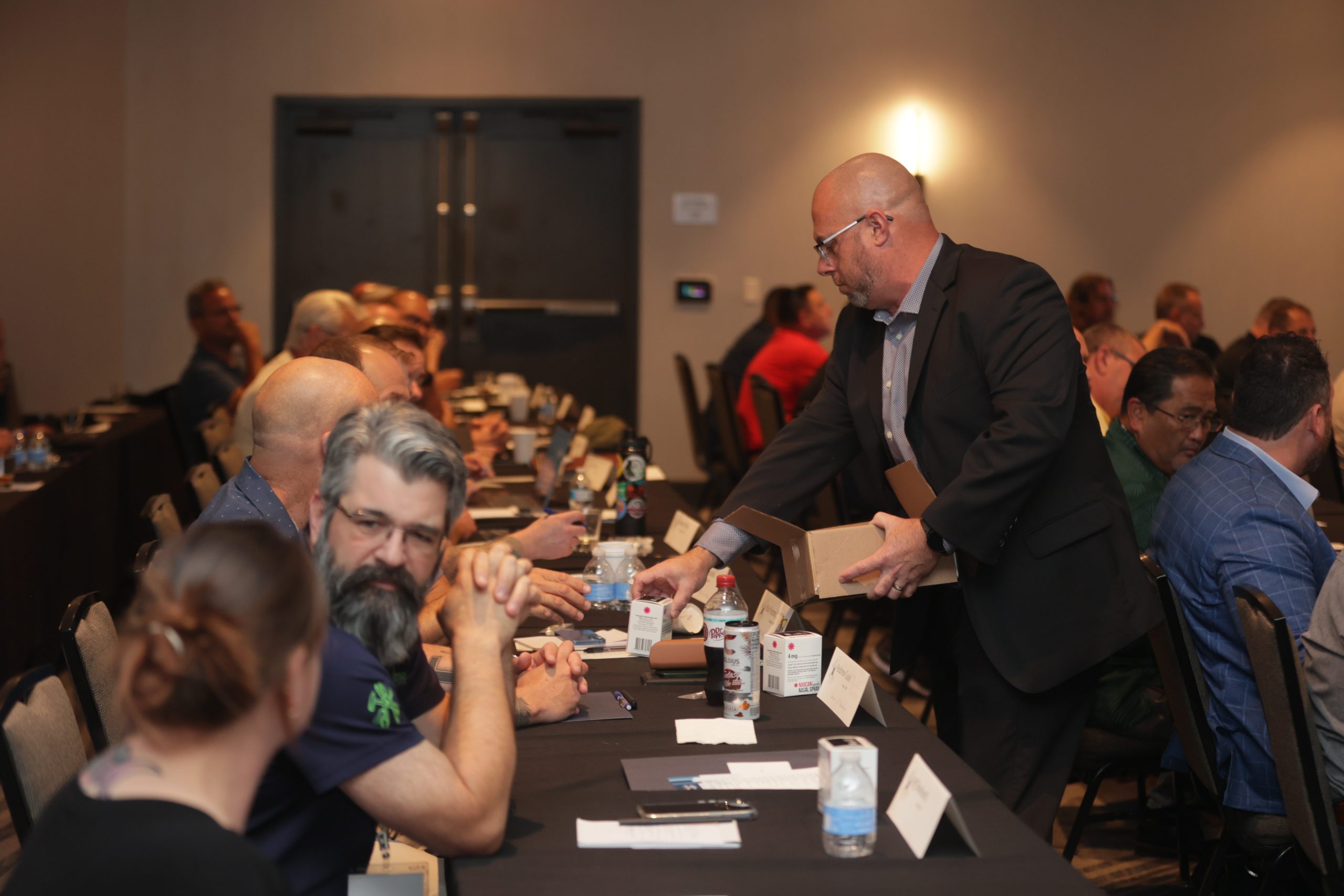
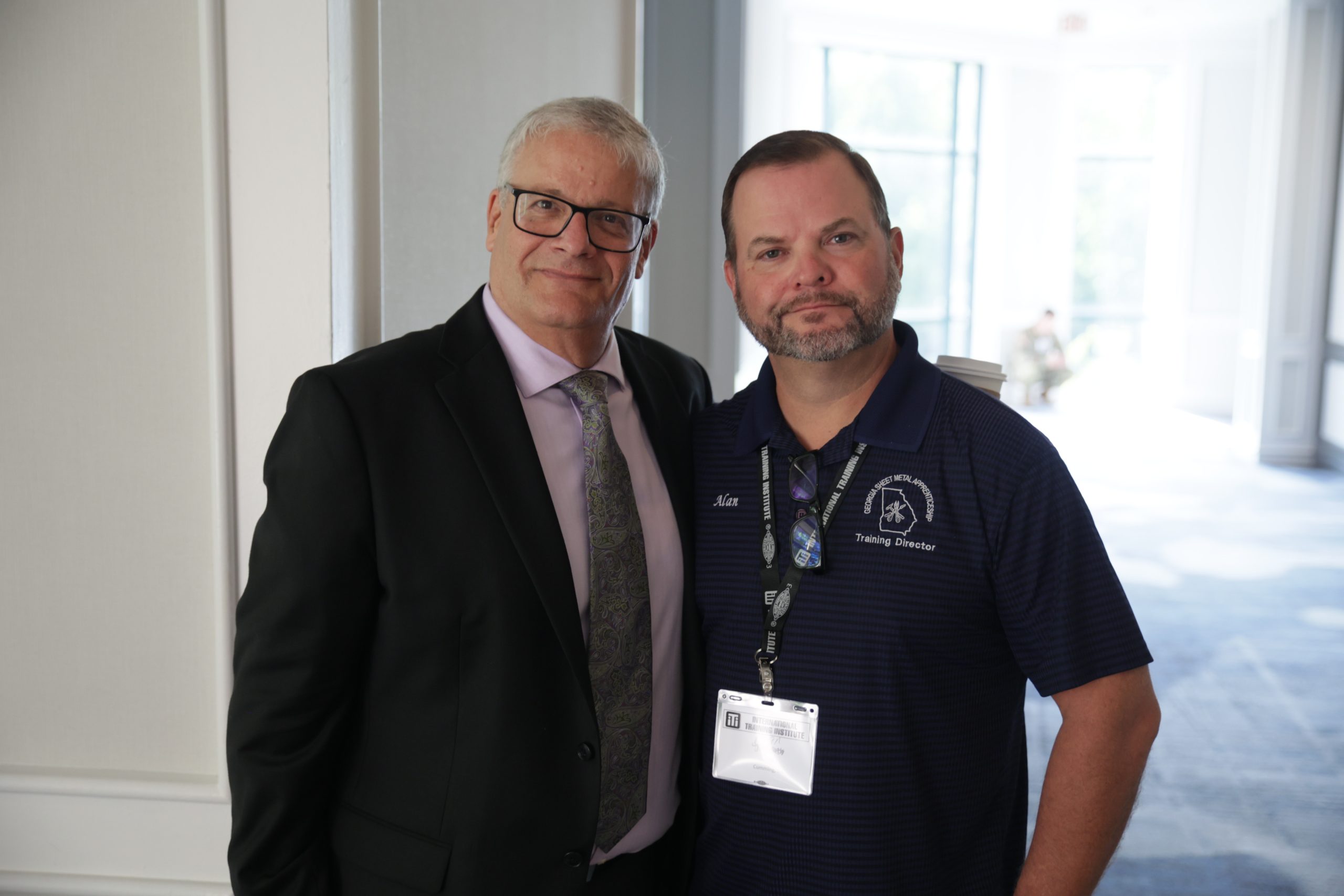
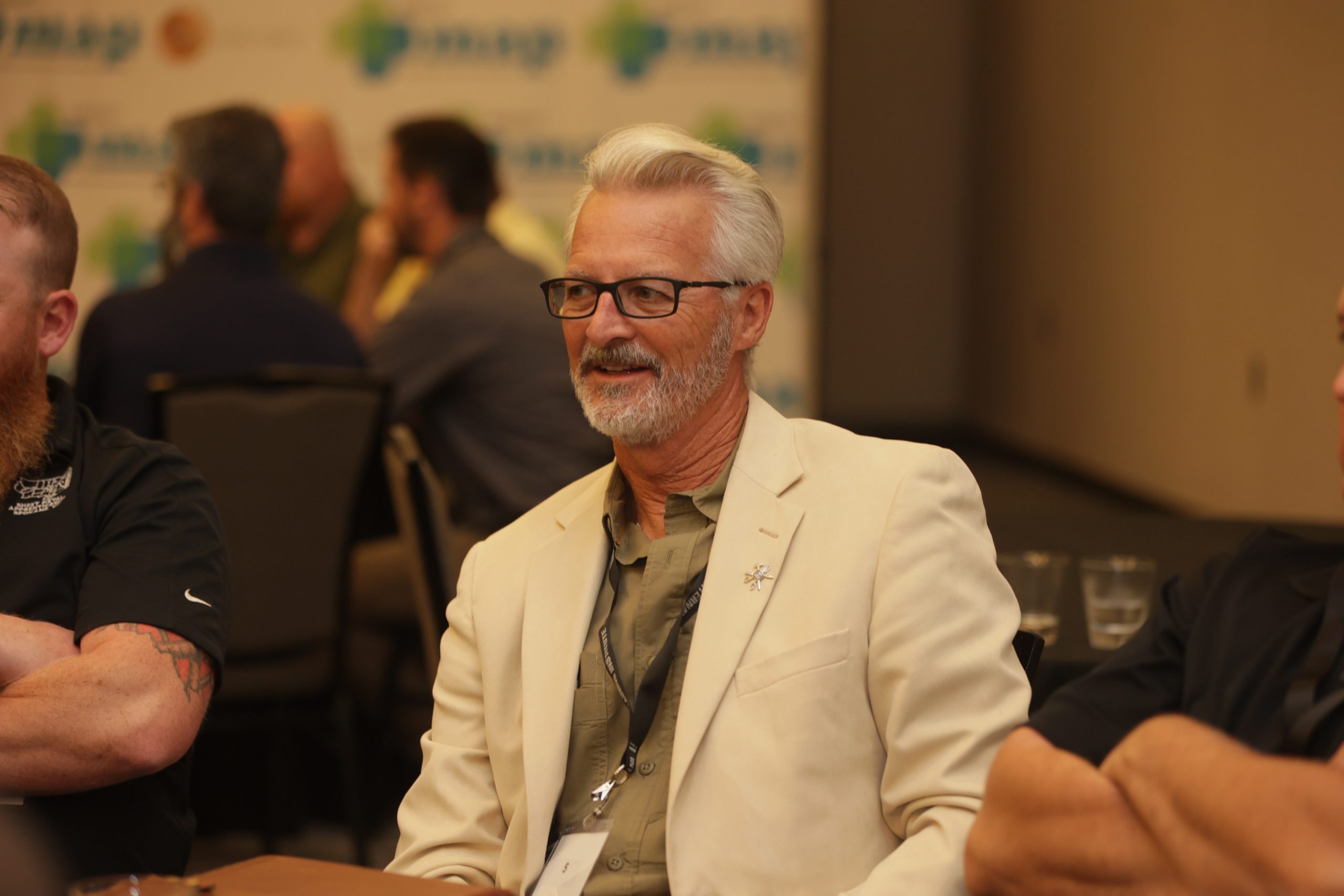
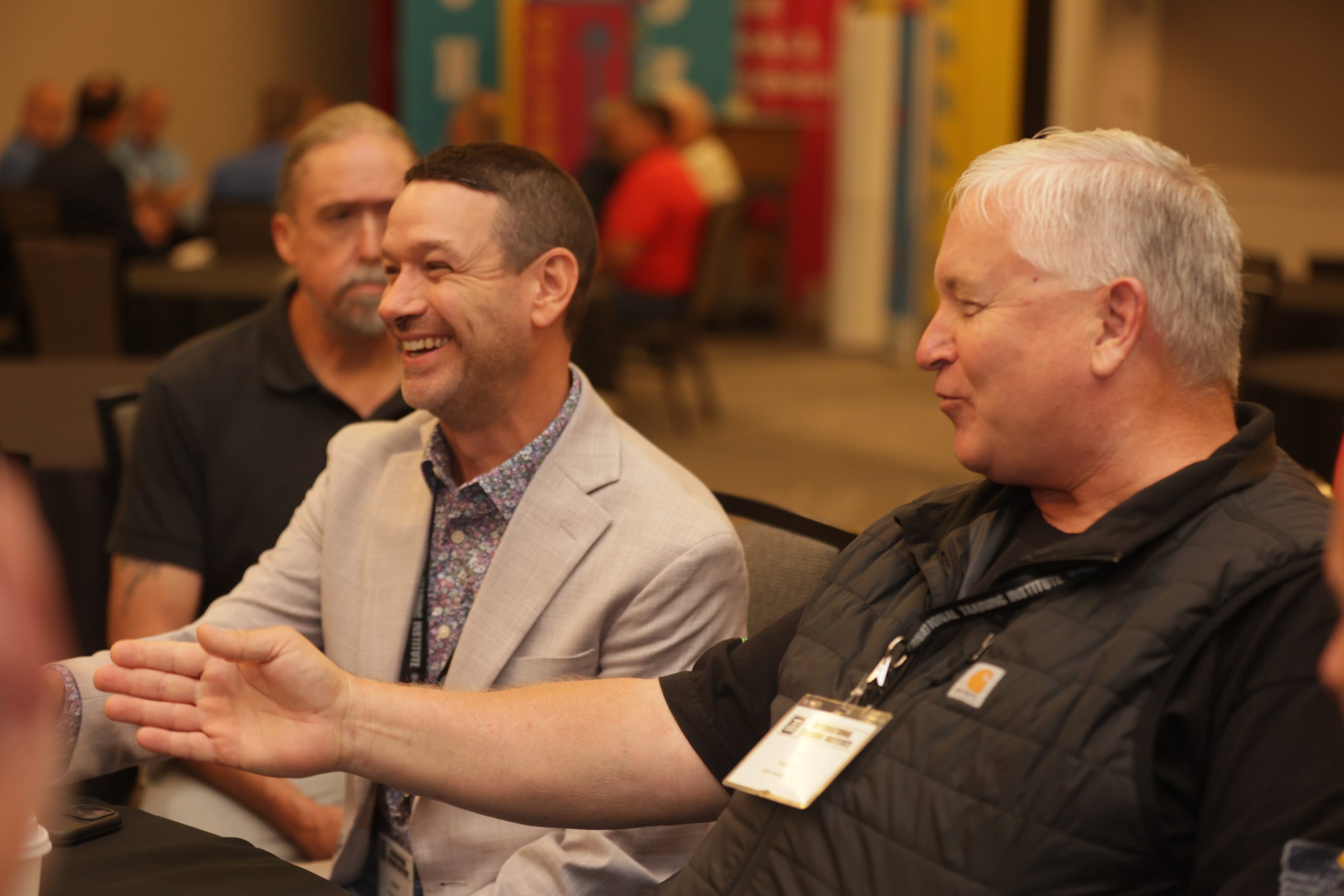
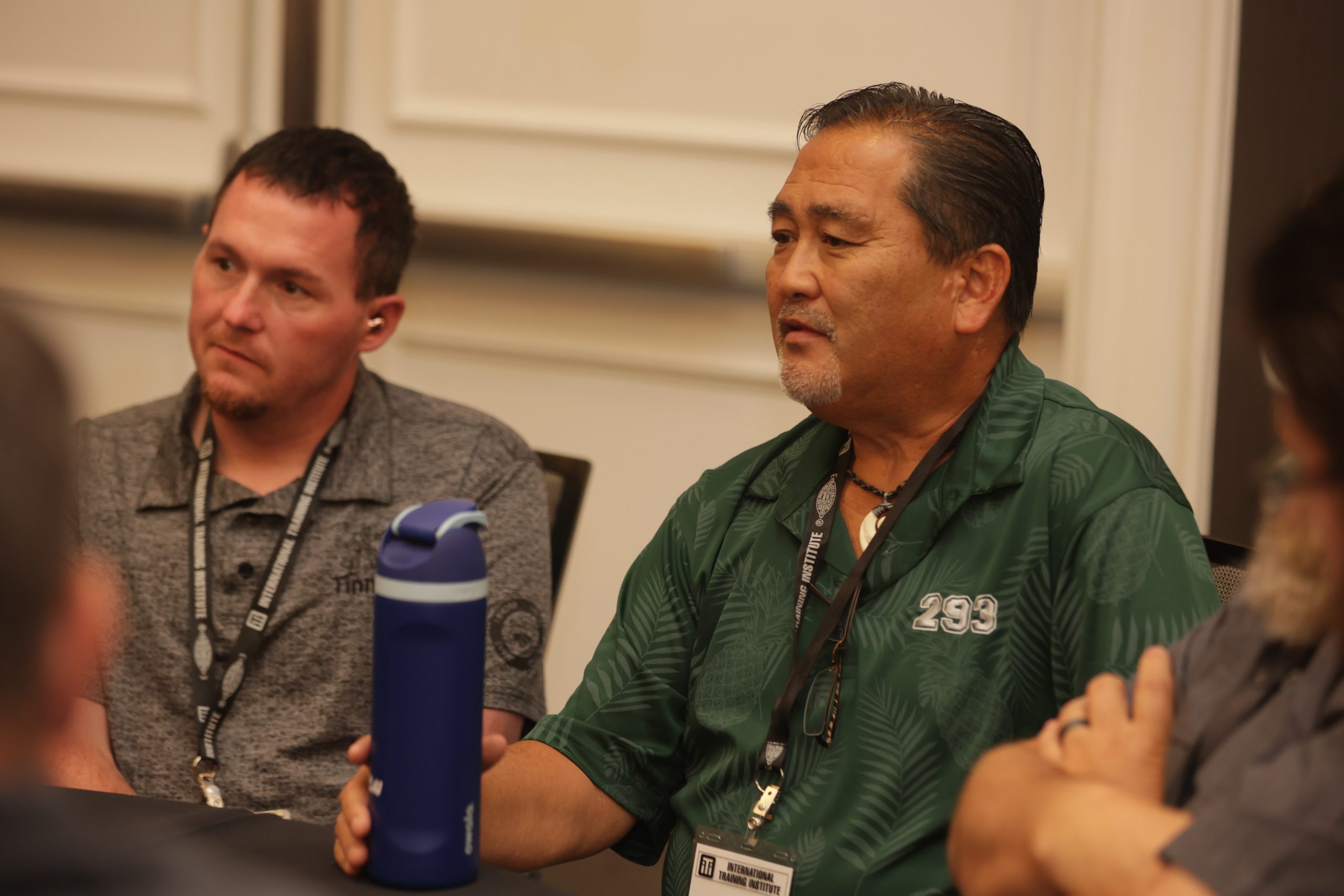
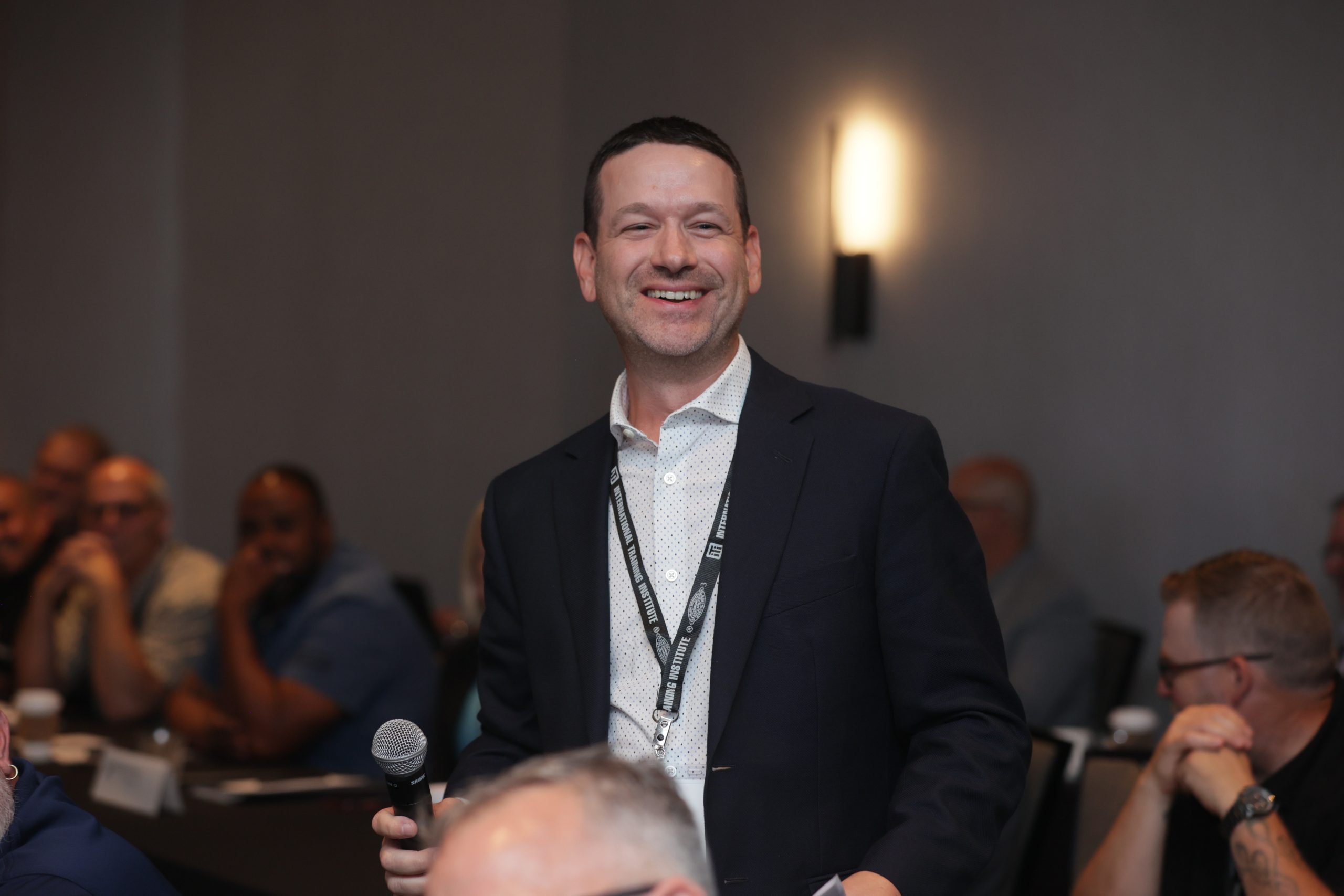
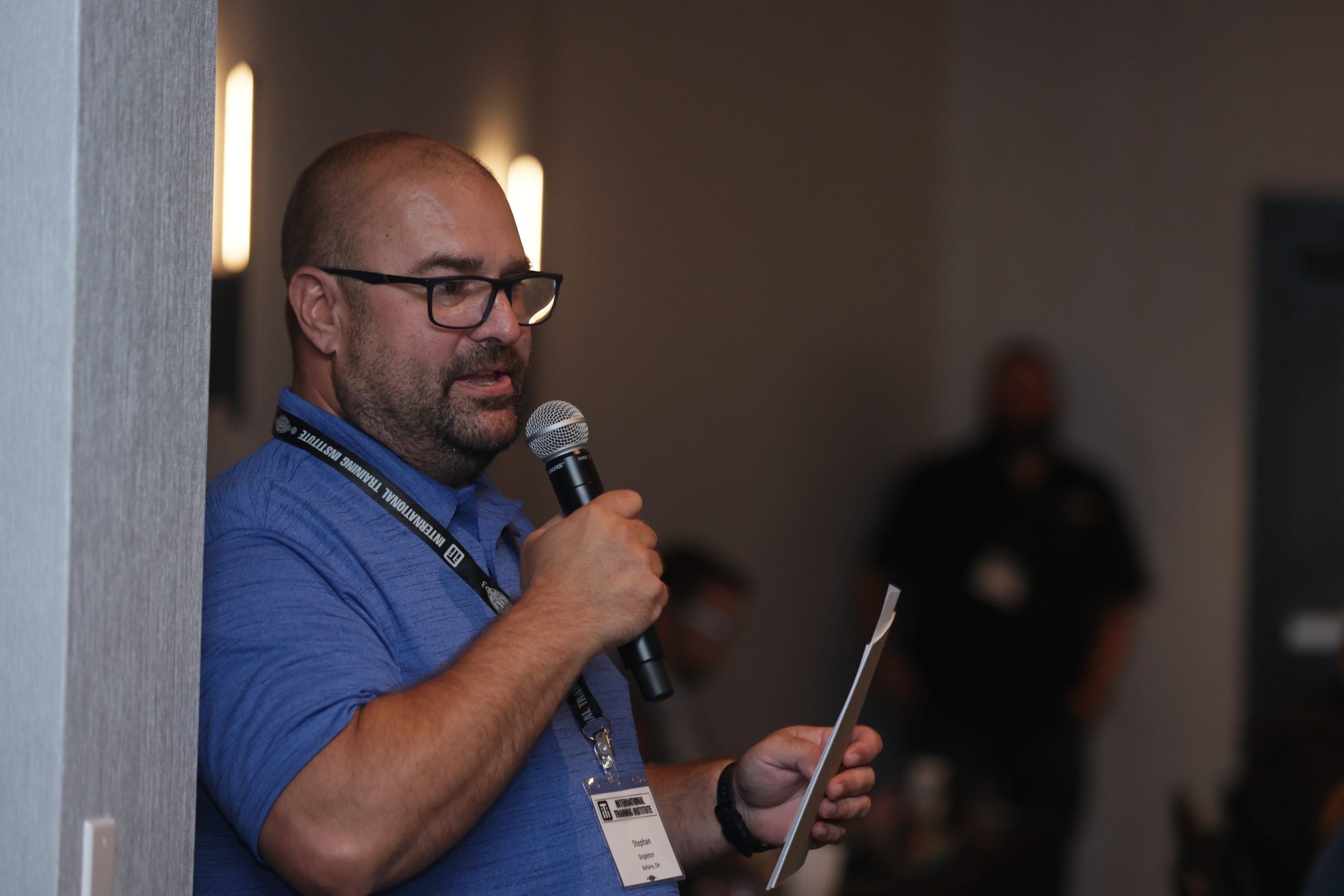
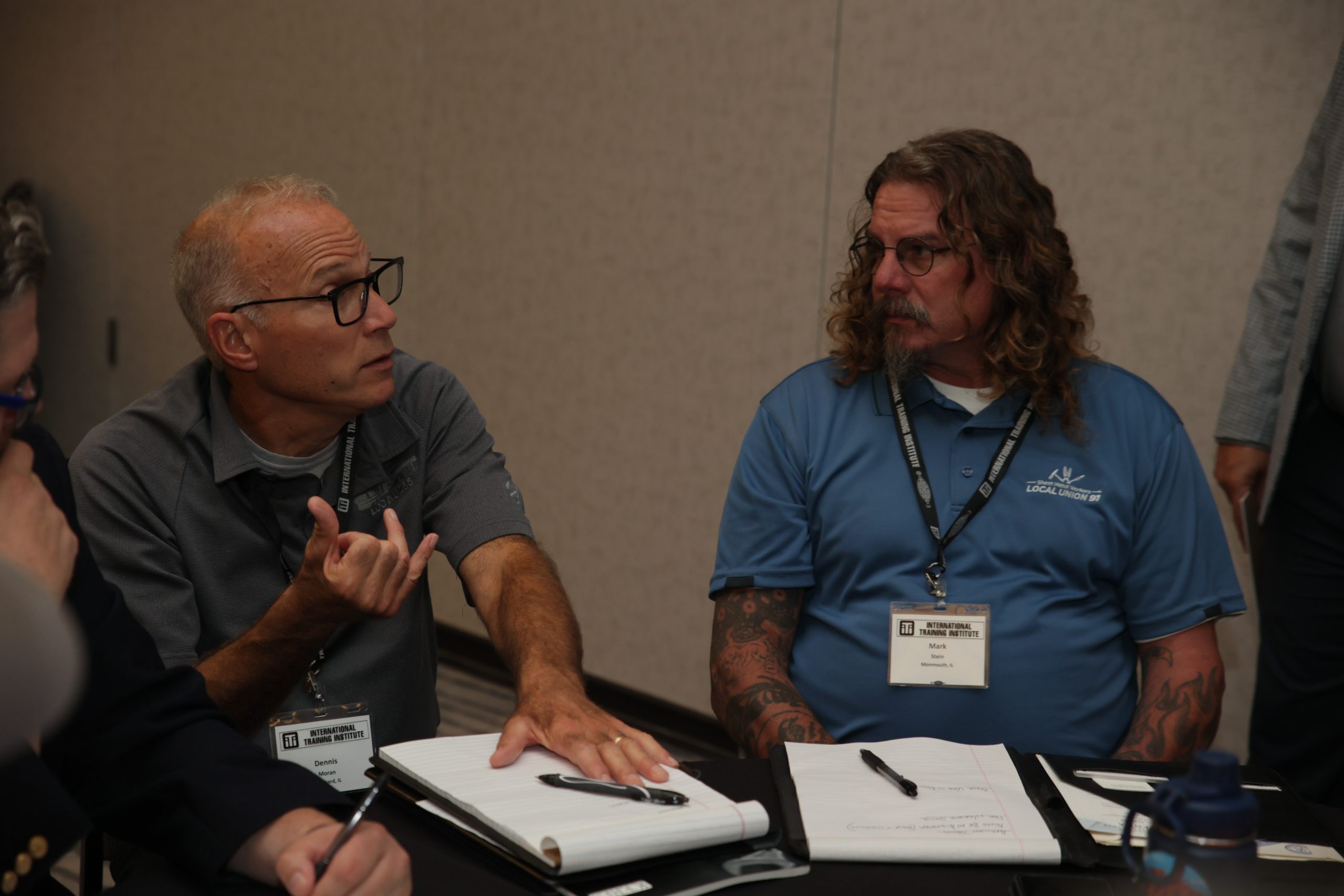
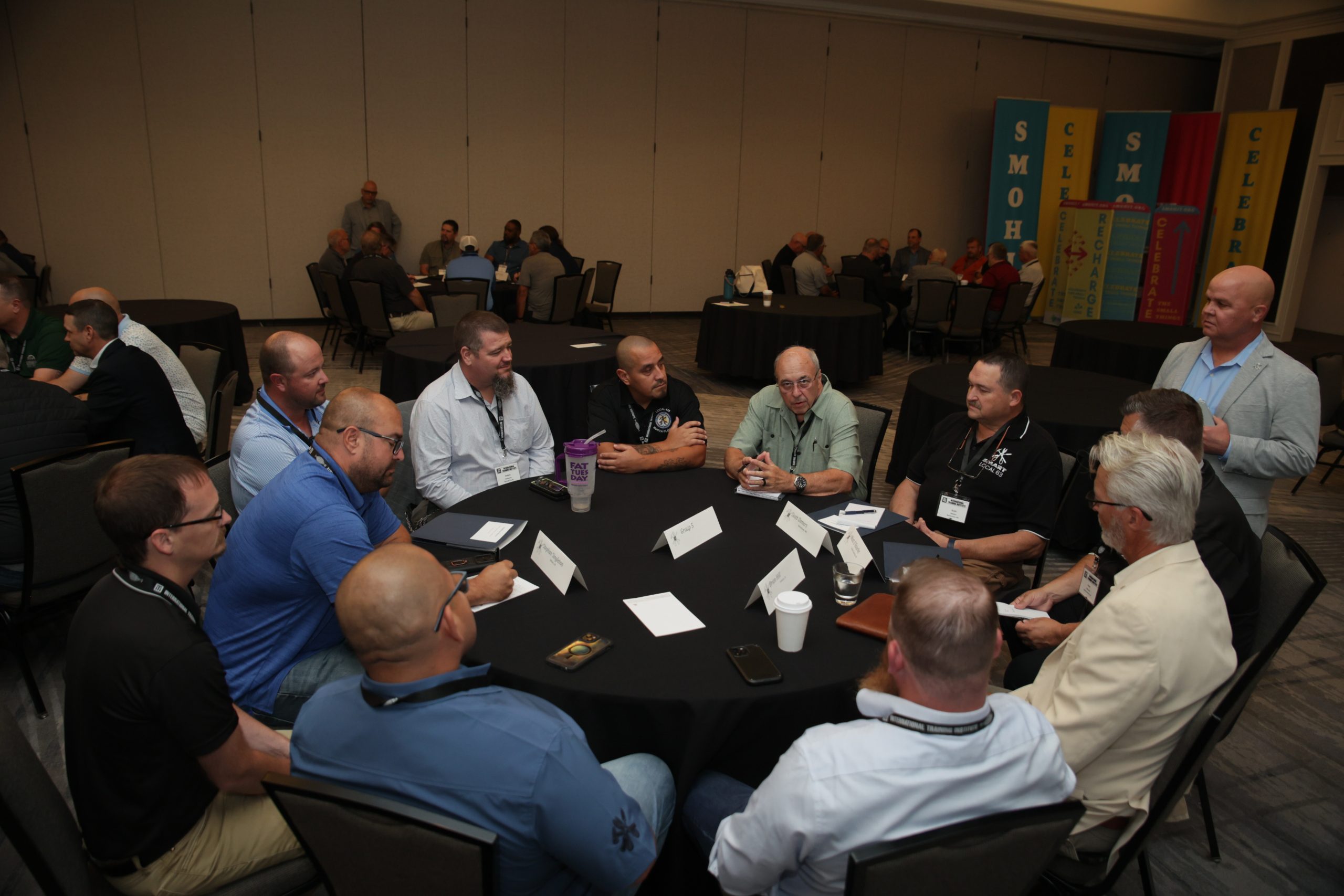
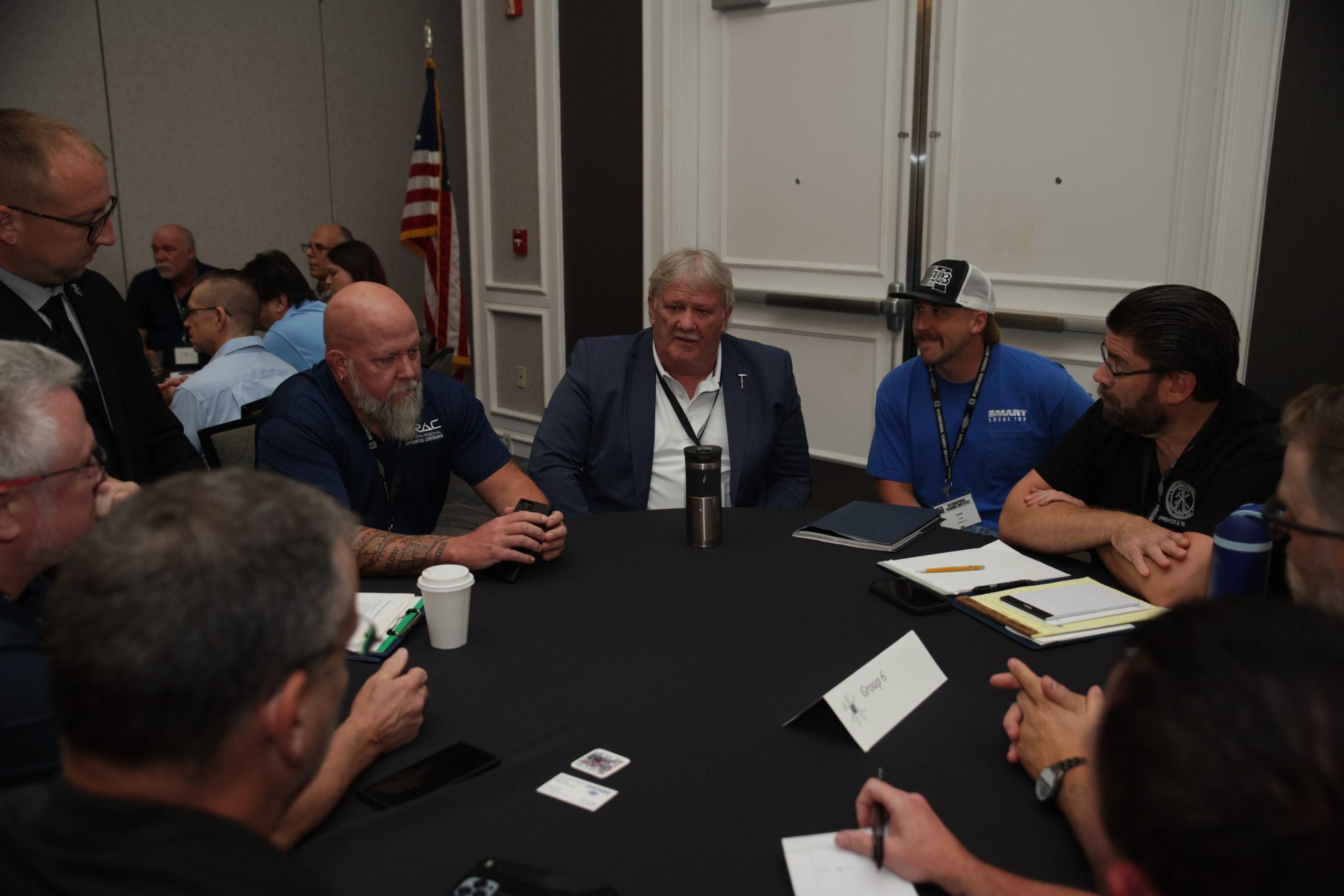
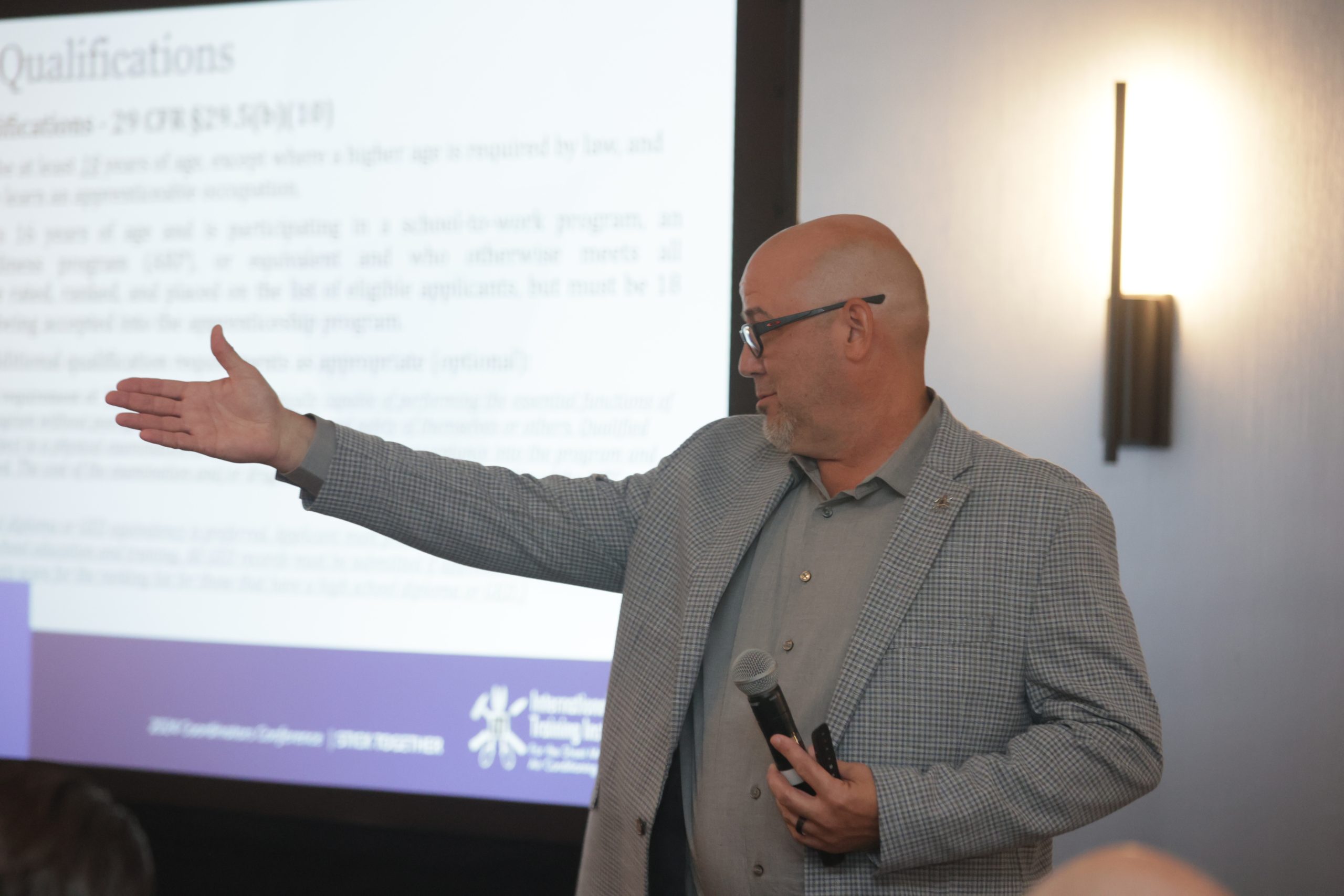
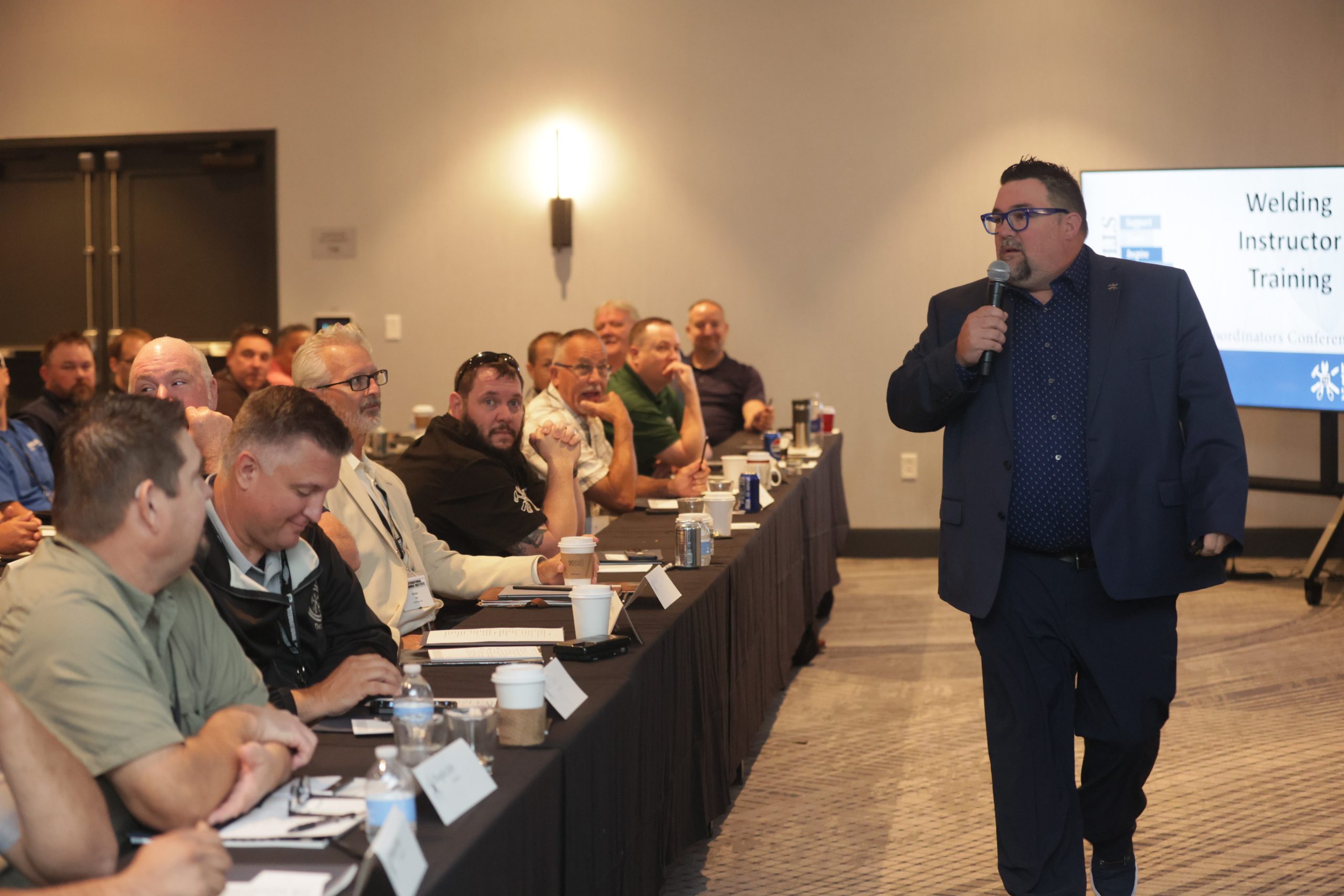
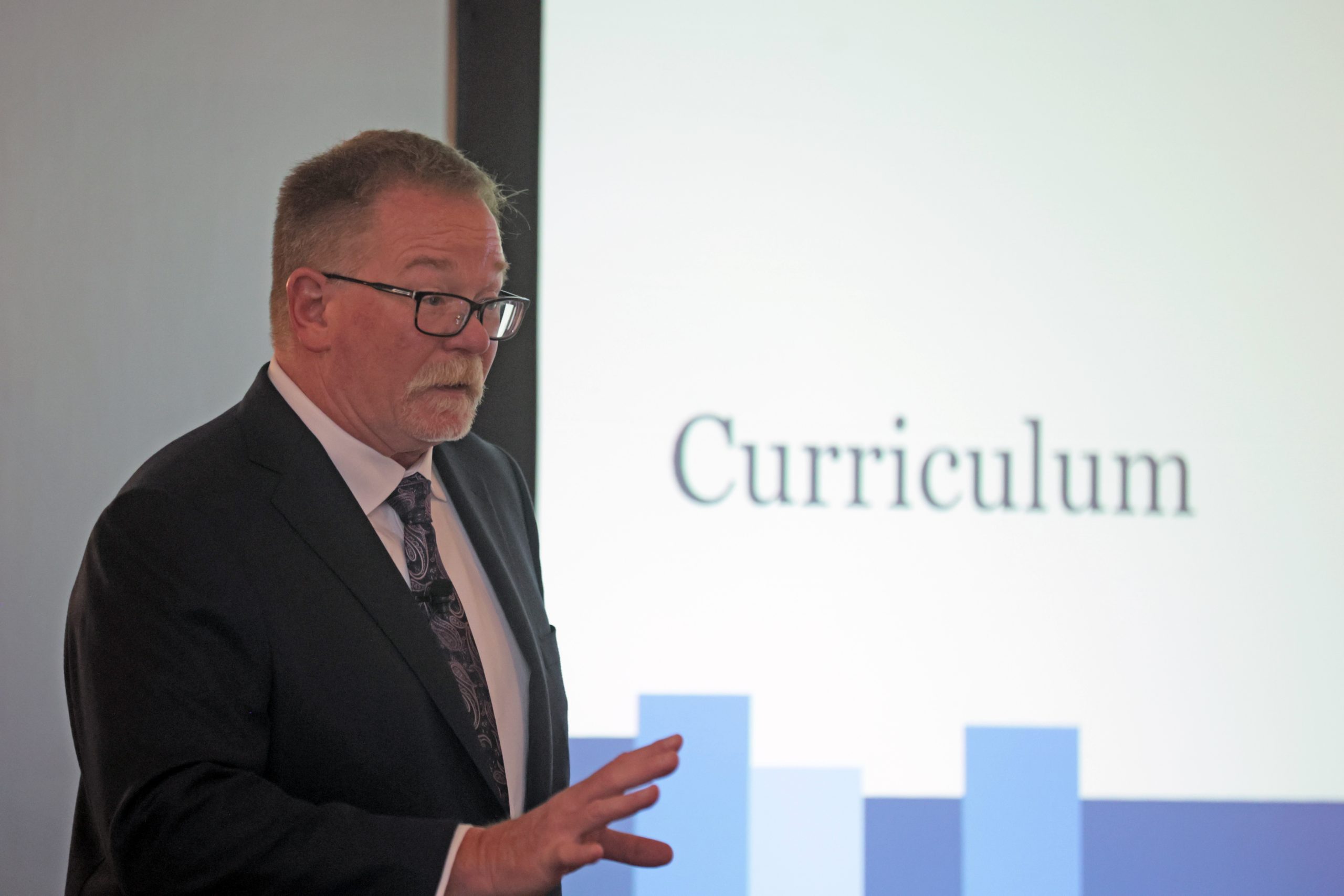
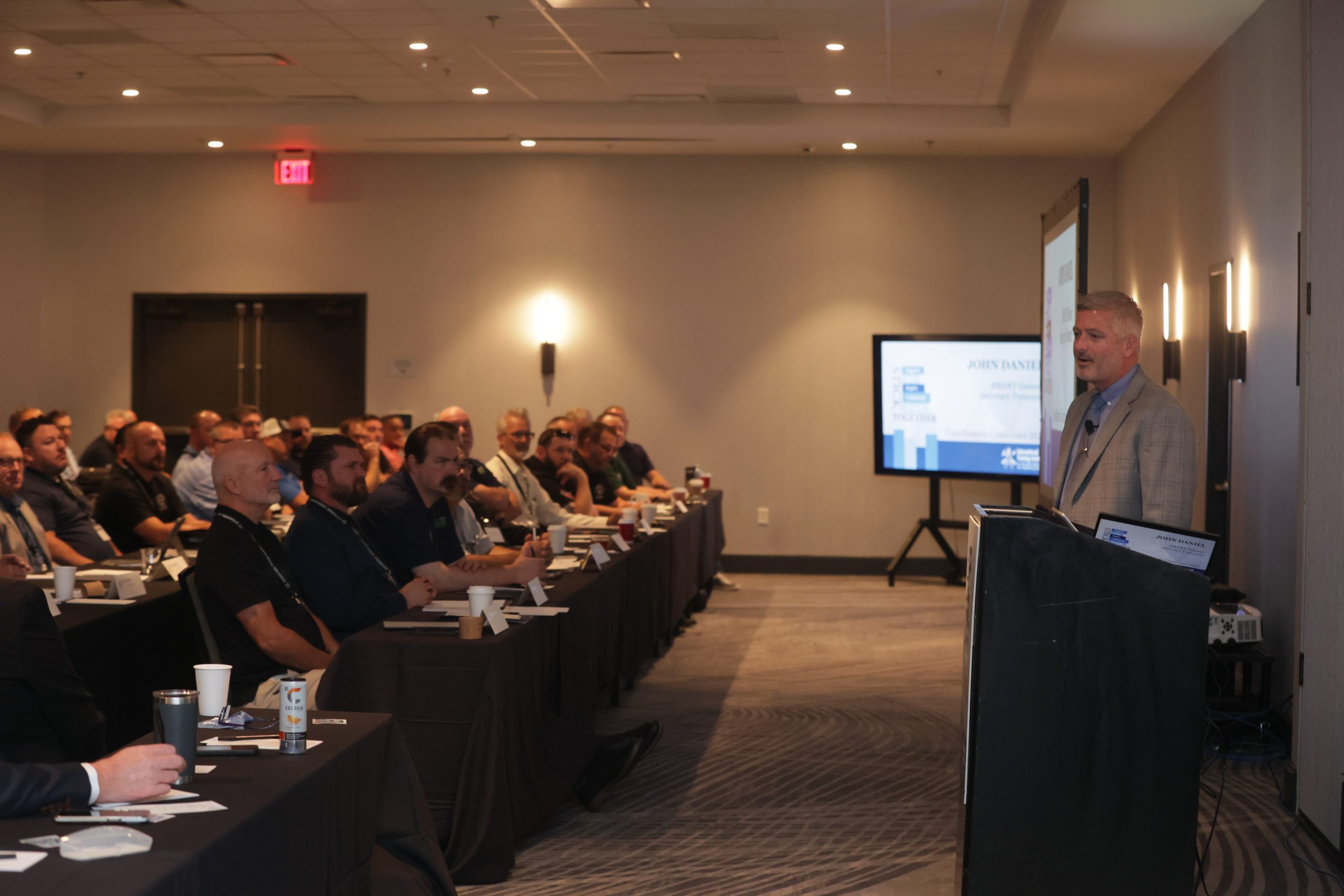
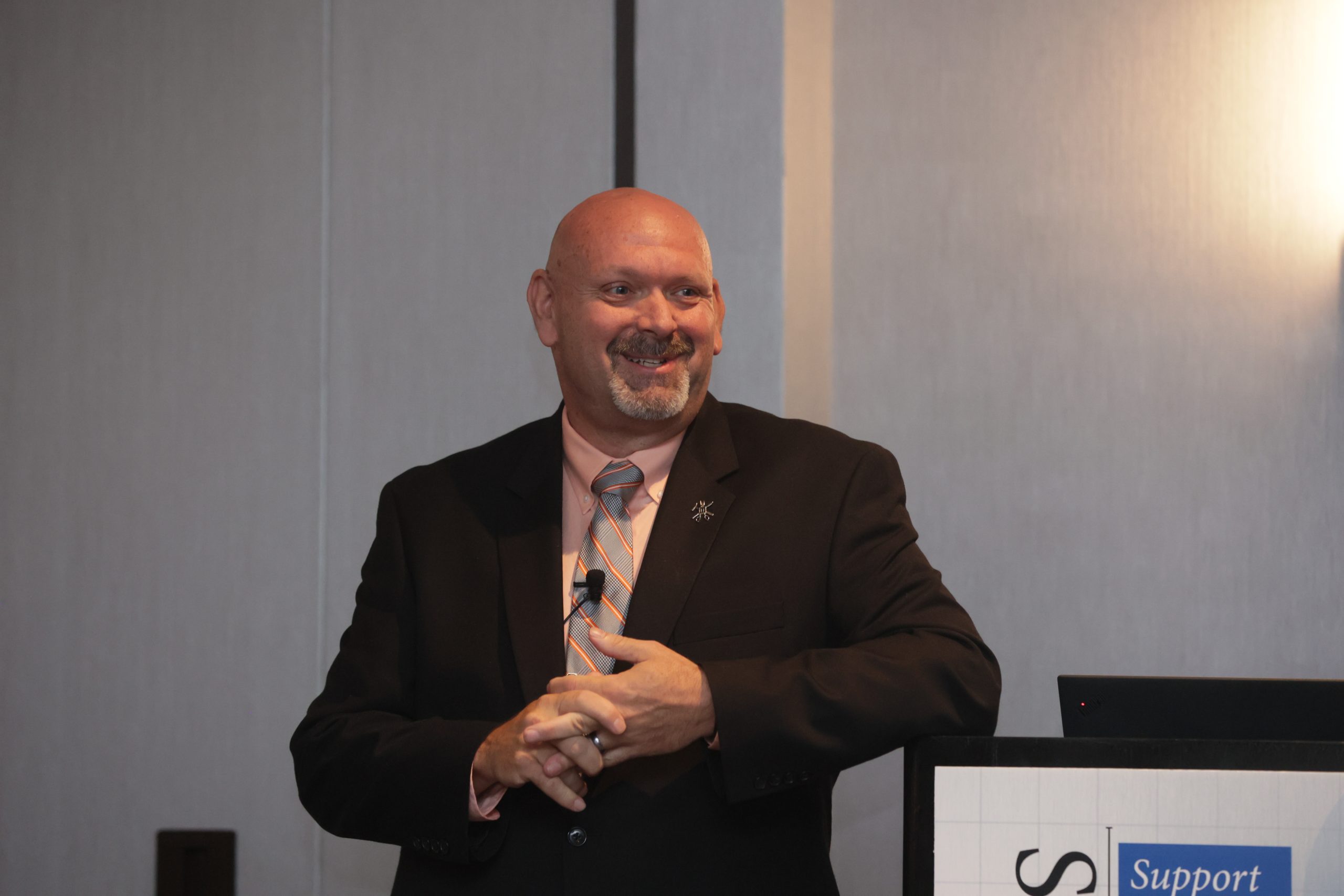
More than 80 sheet metal training directors and coordinators from across the United States gathered in Falls Church, Virginia, Aug. 26-27 for the annual International Training Institute’s (ITI) Coordinators Conference.
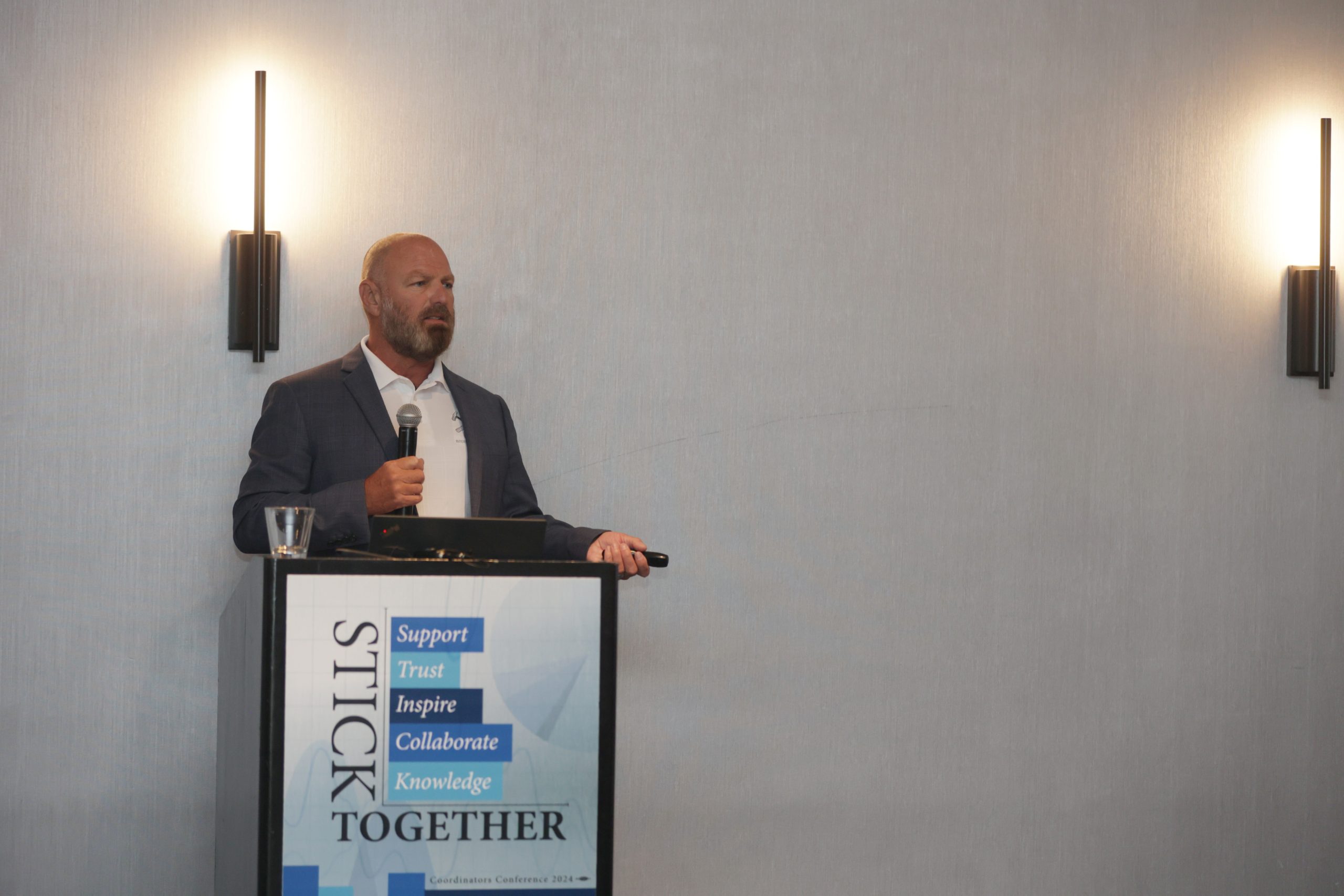
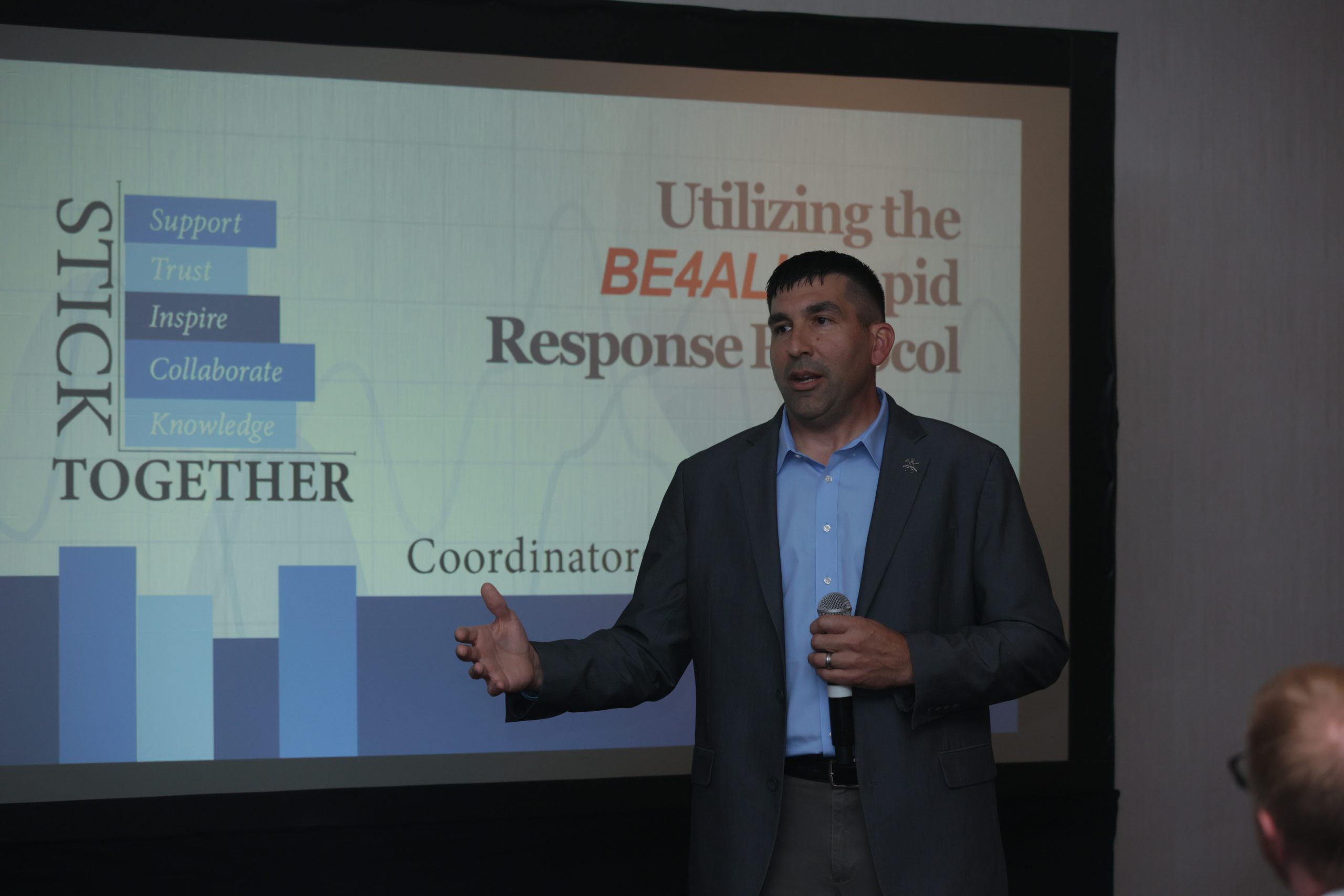
The ITI, the education arm of the International Association of Sheet Metal, Air, Rail and Transportation (SMART) workers, welcomed the heads of apprenticeship training, encouraging them to STICK Together, through key concepts of “support, trust, inspire, collaborate and knowledge,” which was the theme of the conference.
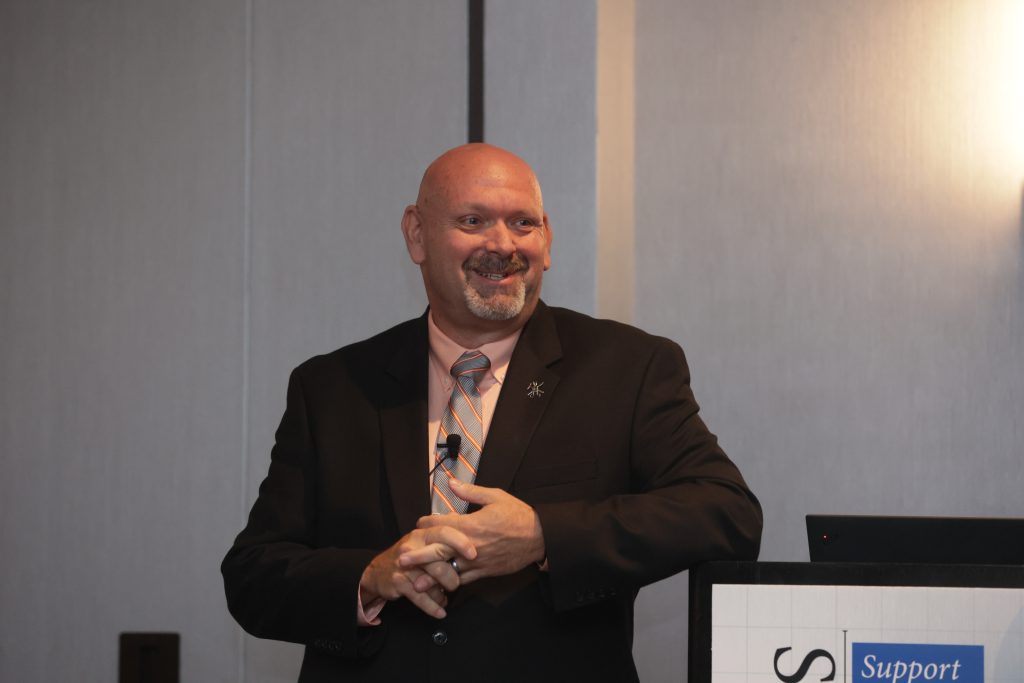
“Any time you’re in a group with like-minded people, this is the time to collaborate,” said Mike Harris, ITI administrator, in his opening remarks. “This is a place where you can support each other, you should be able to trust each other. You all have the same issues, the same problems you deal with. Hopefully, this week, you’ll find some inspiration to take back with you. It’s the collaboration that makes us stronger. I think that’s what we’re all about — it’s about sticking together.”
SMART General Secretary Treasurer John Daniel echoed that sentiment and added that, from the top leadership to the apprentices, everyone is in this industry to do the same thing — encourage the next generation, increase work hours and continue to move forward to leave the industry better when they retire than how they found it.
“That’s who we are. We’re just a group of people who are trying to make the industry better, from the bottom to the top,” he said. “The STICK Together component is critical. We don’t have time to be in auto pilot at any level of our organization. Things are changing too quickly.”
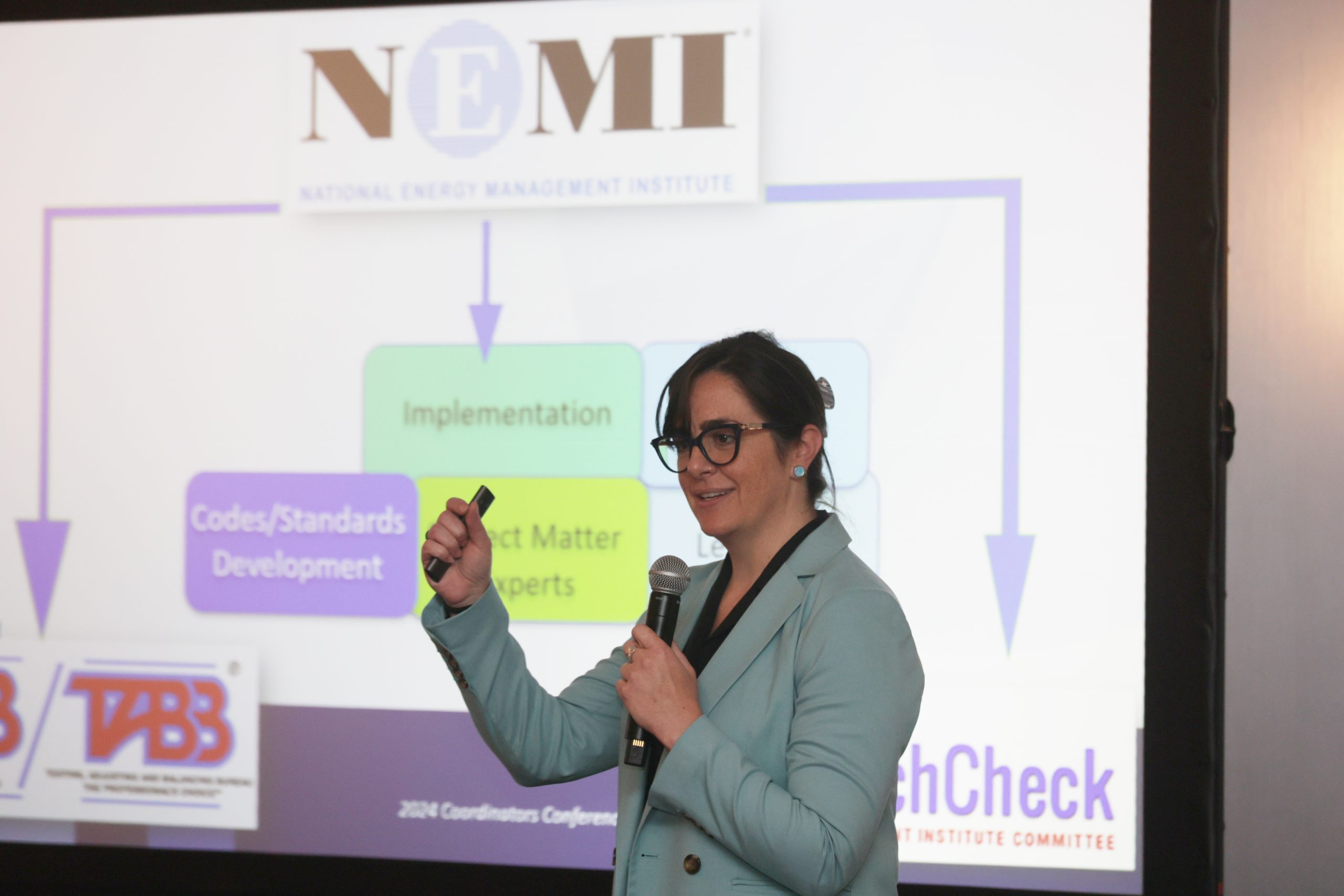
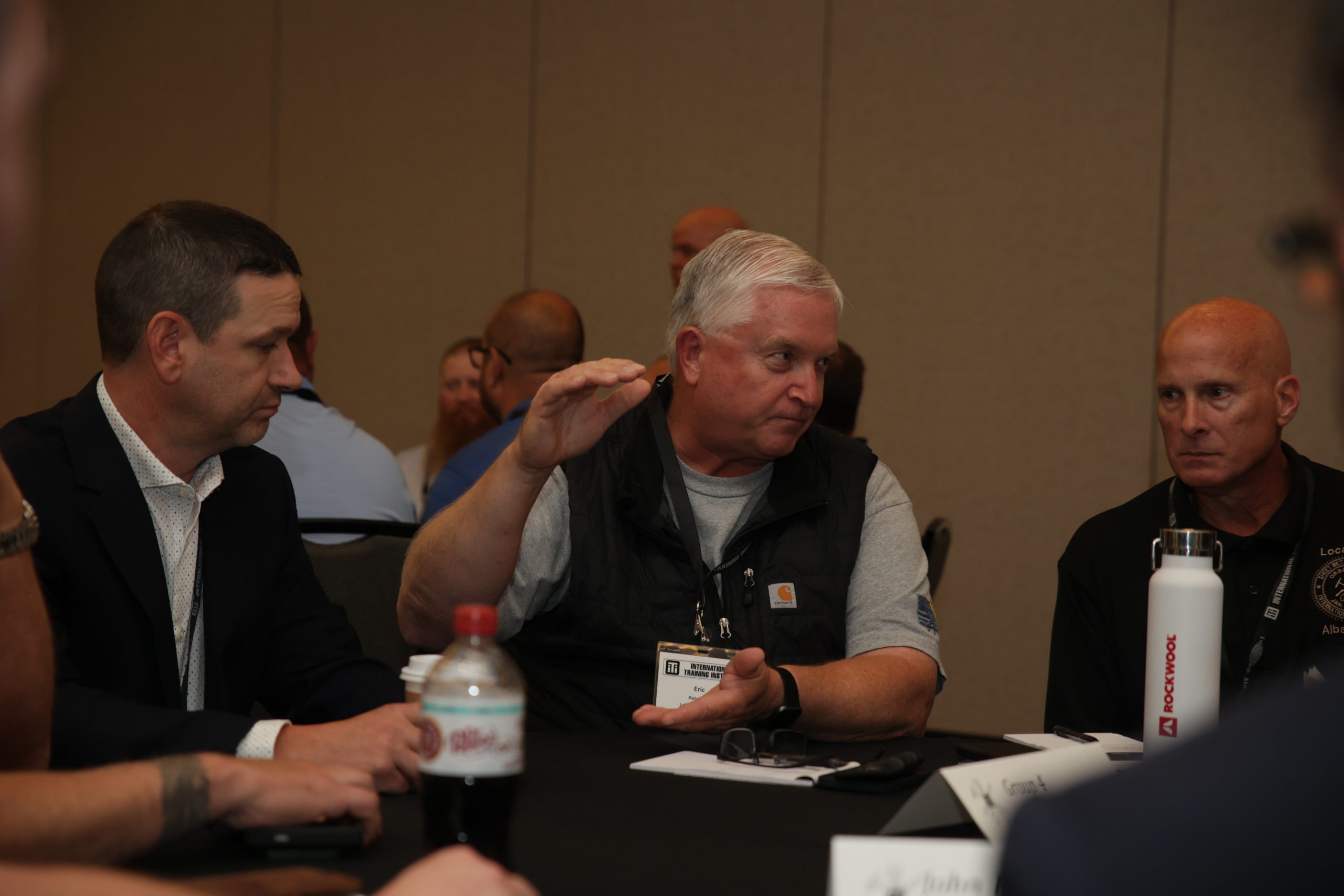
During the two-day conference, attendees met in break-out sessions, discussed studies on registered apprenticeship training in the construction trades, went over the new National Guidelines Standards for apprenticeship and learned about tactics and trends in instruction.
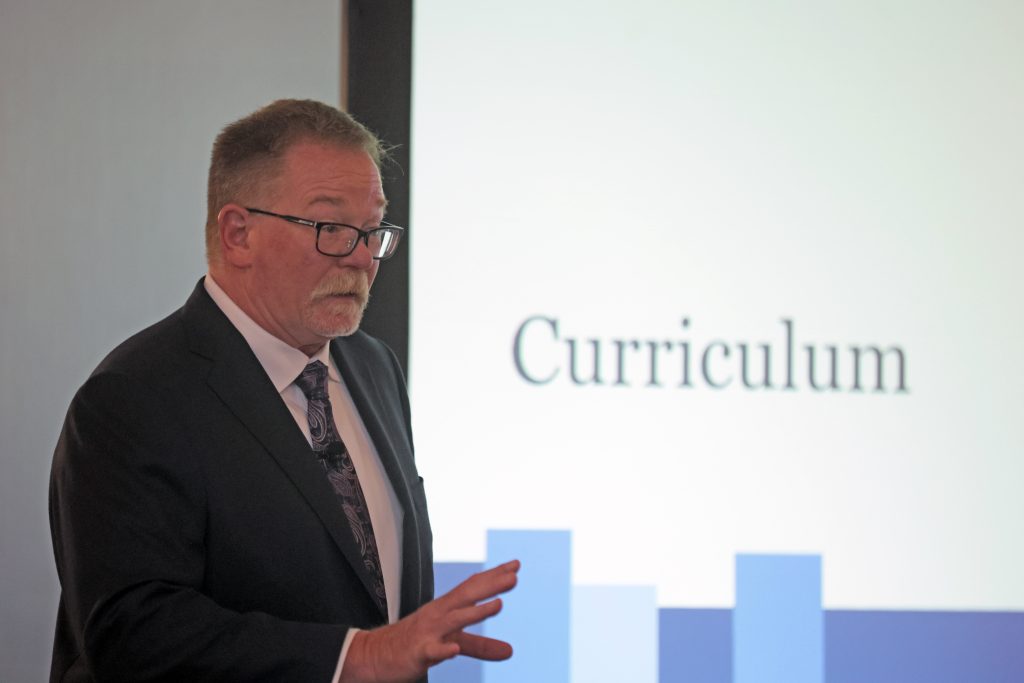
Len Liebert, ITI program administrator, touched on changes and challenges to training in the industry, including making the most of in-person and distance learning; preparing students for their apprenticeship application; learning new things; accountability; increased retention; efficient use of a lab time; curriculum; and courses such as instructor development, a series of courses aimed at helping instructors be more effective at their jobs.
“You have to build your bench,” Liebert said. “Curious instructors get things done. They’re the ones who learn new things and push coordinators toward new things. The closer we get training aligned with the things they’re seeing on the jobsite and what they want to learn, the better we’ll be.”
Moving a program forward takes hard work and dedication from the training center staff. Instructors must make sure apprentices are learning what they need in the classroom in order to succeed on the jobsite, but what if a program requires training and no one on staff has that specialty?
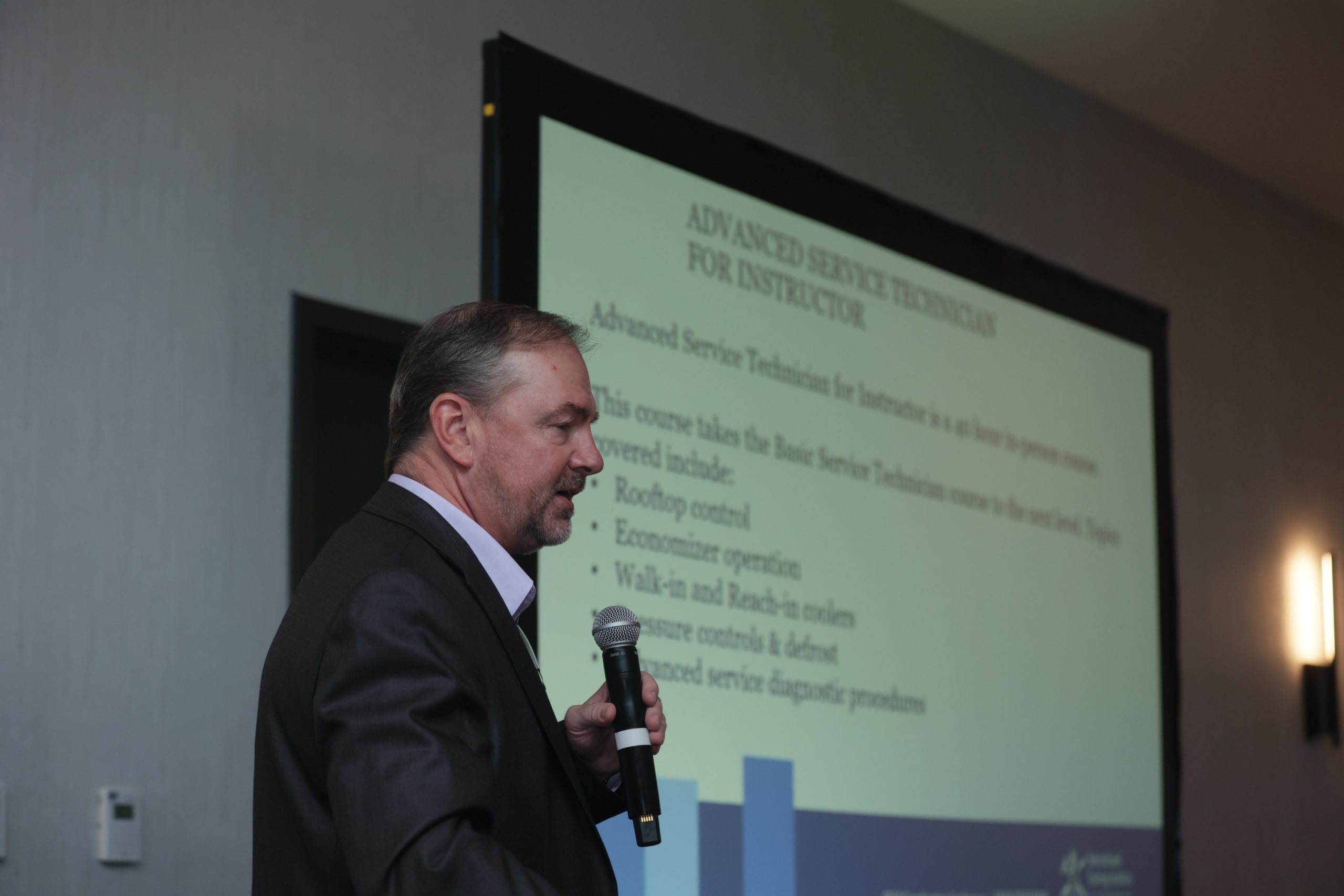
ITI field staff representatives Joe Potesta, welding specialist, and Darrell Garrison, HVACR service and TAB specialist, presented on courses available to instructors who teach skills outside of their specialties. Welding instructor training, an in-person class, prepares instructors on how to teach welding. Other courses are available as a mix of in-person and online, self-paced learning and include heating, ventilation and air conditioning (HVAC) service; ventilation verification and indoor air quality; testing, adjusting and balancing (TAB); direct digital controls; and fire life safety.
Some of the courses also can be used to supplement curriculum and provide advanced learning for apprentices and journeypersons, especially using the hands-on, 3D online platforms.
“Some coordinators are using this training to enhance their training back home, so they can spend more time with the hands-on portion,” Garrison said. “This is beneficial if you want your students to go through the motions at home or if you don’t have a mockup at your training center.”
The core of the training coordinator position is leadership, and Harris delved into the fundamentals, urging attendees to look at themselves in the mirror and decide which type of leader they are and what type they want to be.
“It’s about pushing the envelope,” Harris added. “It’s not about forcing anything down anyone’s throat. It’s about making things better. You’ve got to let people be a part of the team, a part of the decision. You don’t have to always take their direction, but they need to be a part of the discussion.”
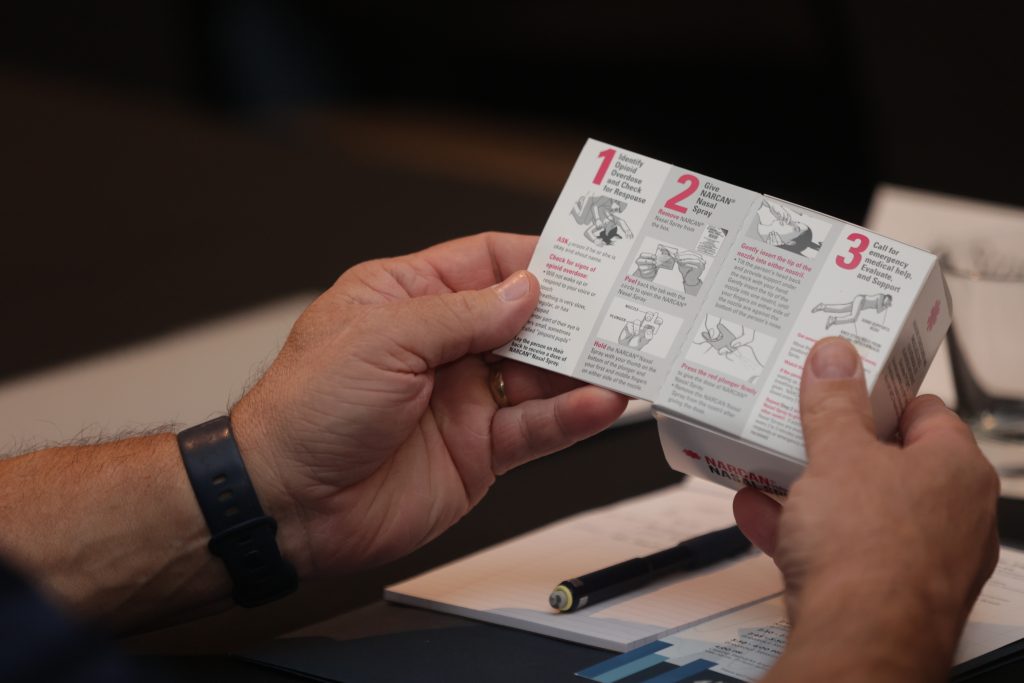
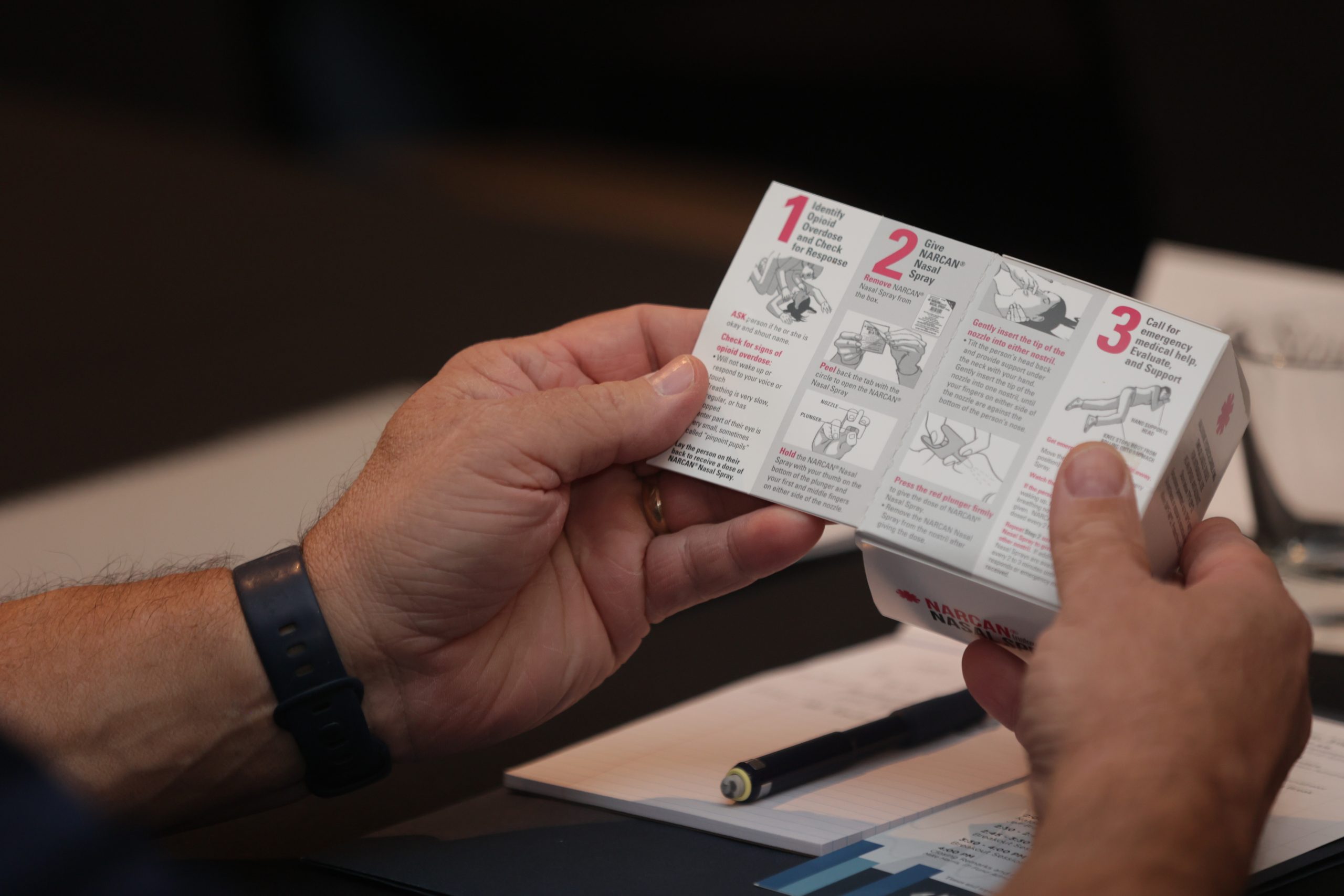
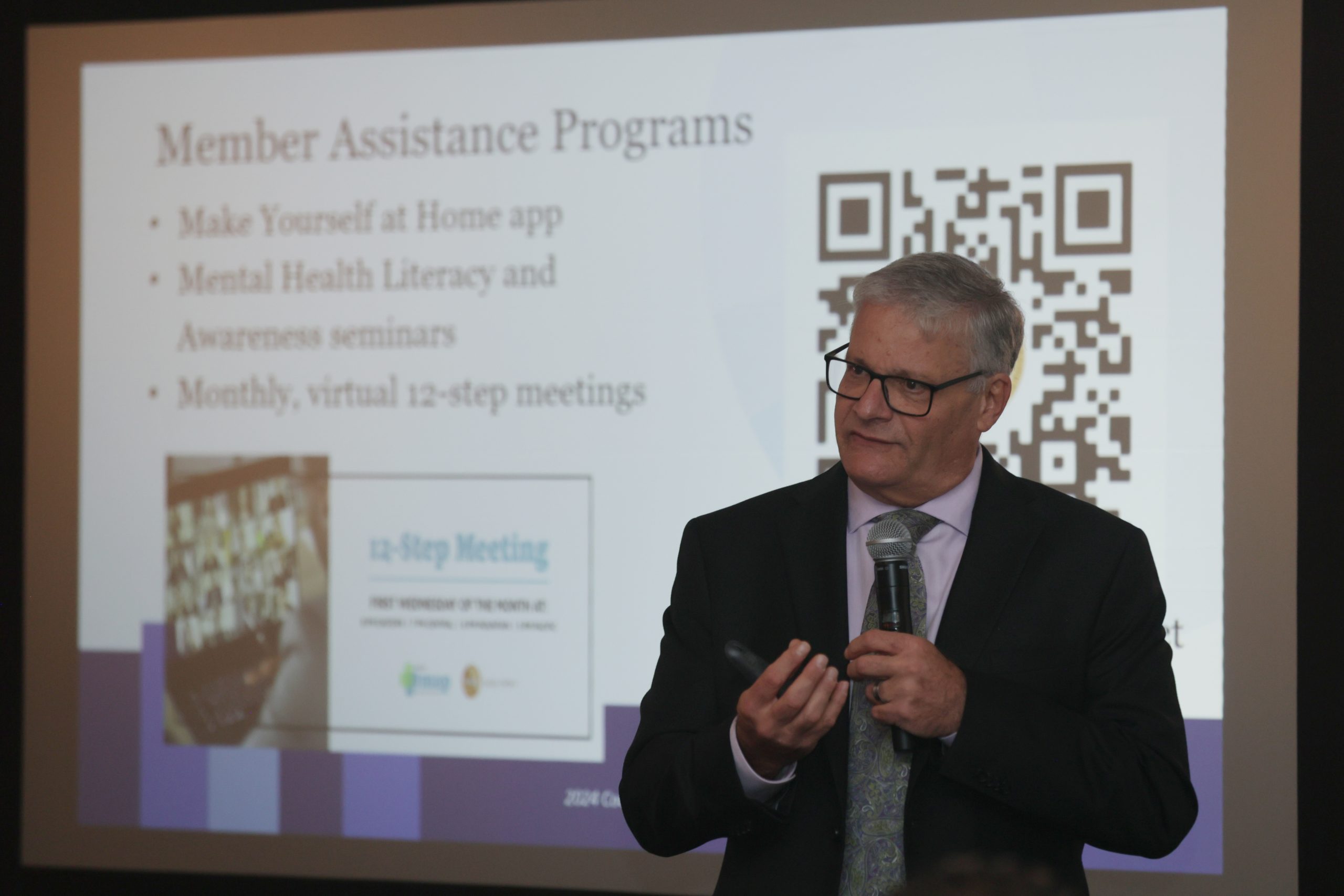
Other topics covered included accreditation, recruitment and retention, marketing, military veterans in the trade, substance use disorder on the jobsite and mental health.
A large number of apprentice coordinators in attendance reported having their jobs for less than five years, making annual conferences like this important. Mitchell Koch, one of the newest coordinators — with only 10 days under his belt leading up to the conference — was excited to take the information he gained, knowledge from the people he met and the contacts he acquired home to SMART Local 104, District 2, in Northern California.
“The goal is to have a positive impact and promote growth and change,” said Koch, who was a part-time instructor for a decade before accepting the coordinator position. “It’s a very rewarding job being a part of people’s learning. The result was always the encouragement.”
All coordinators, from Koch to those who have had their jobs for decades, should have one mission — to enhance the education of apprentices, promote the continued education of journeypersons and help the industry succeed well into the future.
“We’re going to keep doing everything we can,” Liebert said. “We’re going to keep trying to find ways to help training centers get the resources that they need.”
For additional information about the ITI, visit the website at www.sheetmetal-iti.org.