Apprentice Readiness Programs, or ARPs, and pre-apprentice programs are eliminating guesswork for students and the training centers that accept them. Students get an idea of what sort of work they’re getting into, and, more importantly, they have time to decide before they enter an apprenticeship if it’s right for them. In return, training coordinators get apprentices who already know basic skills, the etiquette of a job site and exactly what the career entails.
These programs have been quietly filling a niche over the years as elder workers retire, and they allow training coordinators, such as those in the unionized sheet metal industry, the ability to not only recruit apprentices but graduate them into long-term careers.
According to the Bureau of Labor Statistics, the employment of sheet metal workers is expected to grow 2% between 2023 and 2033, despite approximately 11,500 openings projected each year, on average, over the decade. Most of these openings are to replace those retiring from the workforce.
Jeff Reinhardt, training administrator for Western Washington Sheet Metal Local 66, created a summer pre-apprenticeship program for high school students entering their senior year. The top five finishers of this four-week program receive direct entry into the apprenticeship. Since it began in 2019, 30 to 35 apprentices have joined the apprenticeship following the summer program.
“We’ve had a handful get into the top five, go back and finish their senior year, and when they graduated, they had a job sitting here waiting for them,” Reinhardt said.
Across the country in Brewster, New York, Mike Keon, training coordinator for the International Association of Sheet Metal, Air, Rail and Transportation (SMART) workers Local 38, uses an external ARP, BUILDnBEYOND Hudson Valley, to bring in apprentices. In this program, participants are introduced to many building trades and choose their career path upon graduation.
“You’re not going to retain every single person you recruit in. Sometimes, some people are going to decide this isn’t for them. I think people who go through an ARP at least know what they’re getting themselves into. They know what to expect,” Keon said. “It’s a bonus. They look at it as a career, not a job.”
Sponsored apprenticeships, like what Gary Glidden, training coordinator at SMART Local 219 in Rockford, Illinois, uses are another program that gives contractors a say on who is admitted as an apprentice. Training center-approved applicants sign up and go to work for a contractor for a minimum of three months. At that time, the contractor can offer to sponsor them into the apprenticeship program as a direct-entry applicant and hire them as an apprentice.
Pre-apprentices do a lot of grunt work — sweeping floors, making deliveries, driving trucks — but it’s a good ground to prove your worth, Glidden said.
“They get a good dose of what a sheet metal worker is in those three months,” he added. “Pre-apprenticeship so often leads to entry into our program that this opportunity is rarely turned down. About 40% of our apprentices work as a pre-apprentice in some role before becoming an apprentice.”
At SMART Local 28 in New York, most of the apprentices John Jackson accepts into the apprenticeship program came from one of the ARPs they use — Nontraditional Employment for Women, a nonprofit organization; Construction Trade Education, which recruits from New York vocational high schools; and Edward J. Malloy Initiative for Construction Skills, a nonprofit organization working with the Building and Construction Trades Council of Greater New York.
No matter which program they hail from, students are “ready to go on the job. They know what they’re getting into,” Jackson said. “They know where to start at an entry level, and you can build on that.”
And the effort training coordinators are putting in is working — Jackson is seeing a shift, he said.
“Guidance counselors are physically bringing students to us, saying ‘These are the people you need to speak to, to better your life.’ That’s nice.”
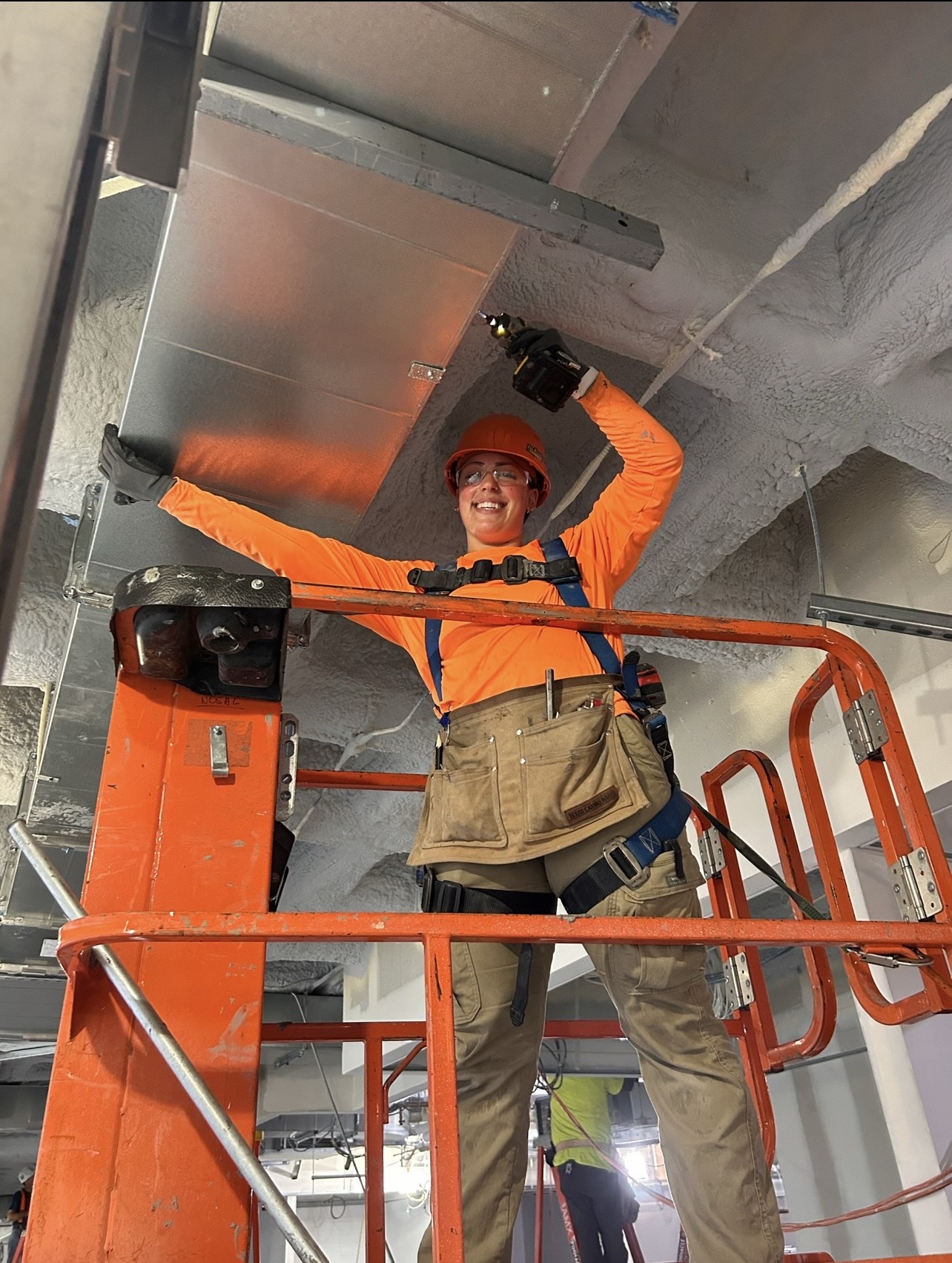
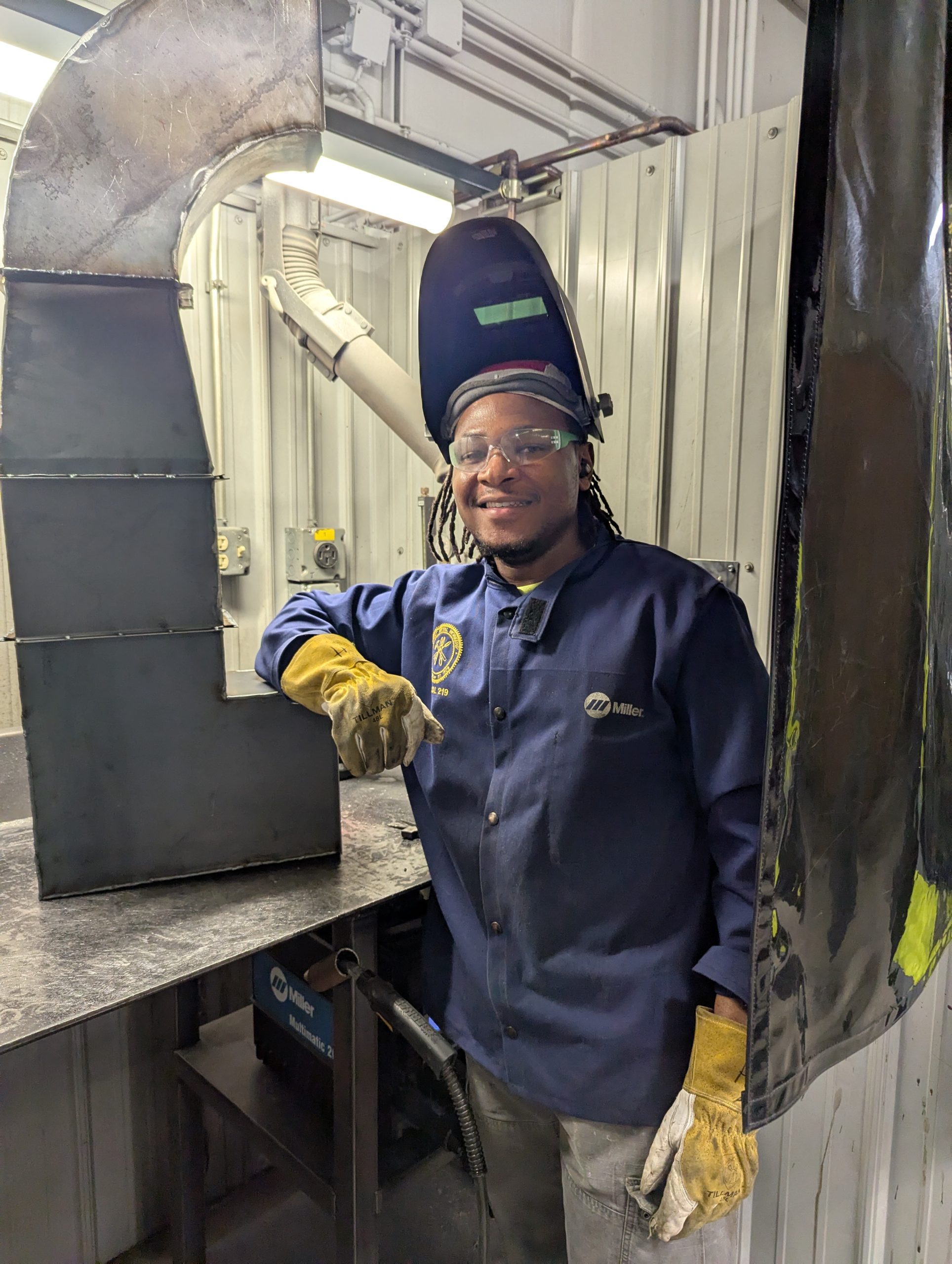
Apprentices receive training in AutoCAD, air balancing, refrigeration/service, welding and heating, ventilation and air conditioning (HVAC) design, fabrication and installation. While they are learning in the classroom, they are gaining skills on the job site including installation of architectural sheet metal, kitchen equipment and duct for heating and air conditioning systems in residential and commercial buildings.
The goal is for apprentices to graduate with zero tuition debt and a career to last a lifetime. More than 14,000 apprentices participate in 150 training centers across the United States and Canada, learning curriculum and using the free training materials provided by the International Training Institute (ITI), the education arm of the unionized sheet metal, air conditioning and welding industry.
For more information about ITI and its available training curriculum for members covering sheet metal trade work, visit the website.